2025 — 2026
Katherine Luu
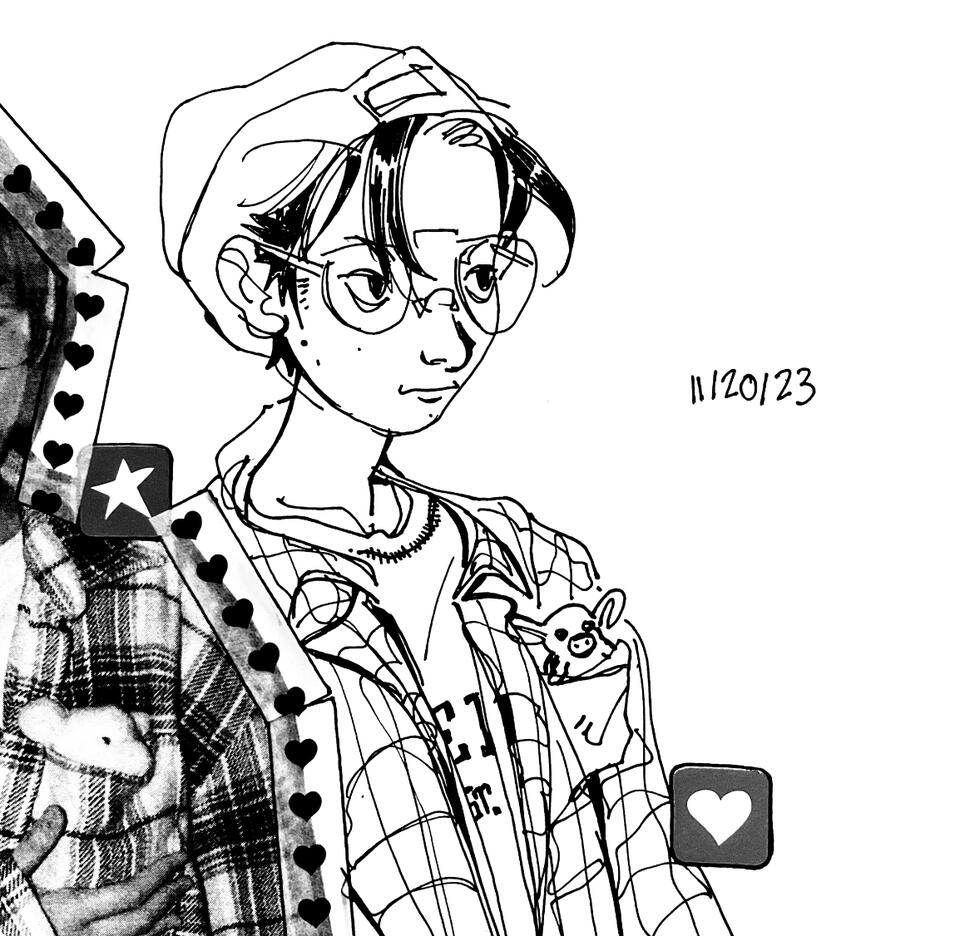
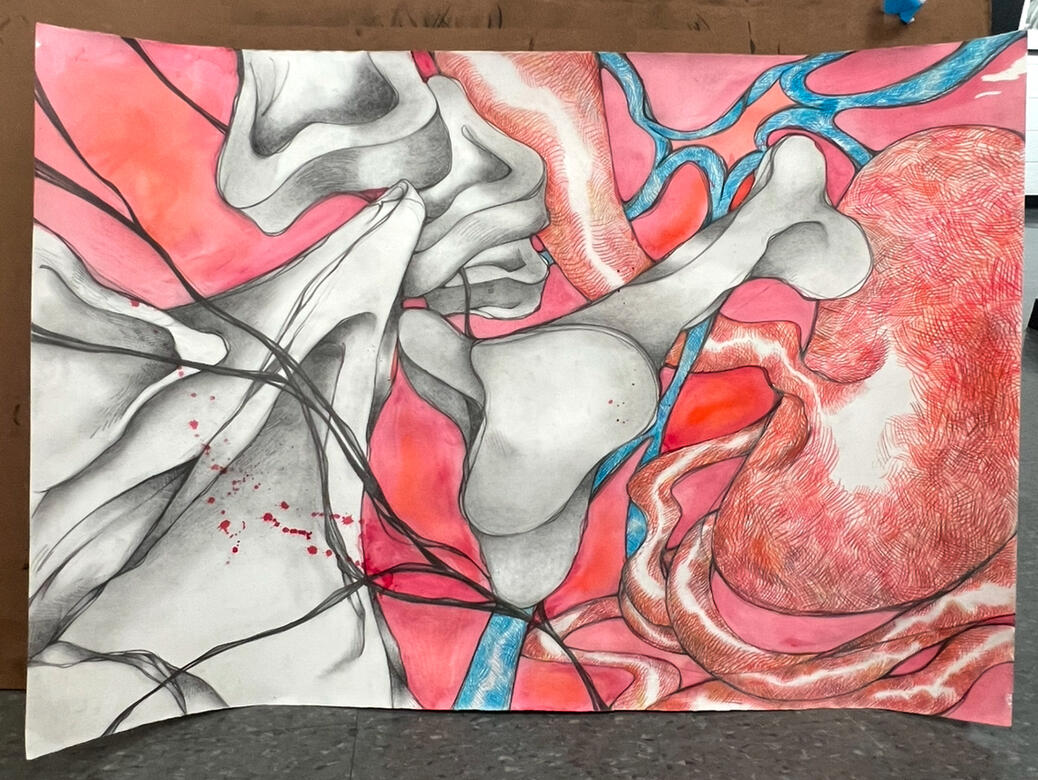
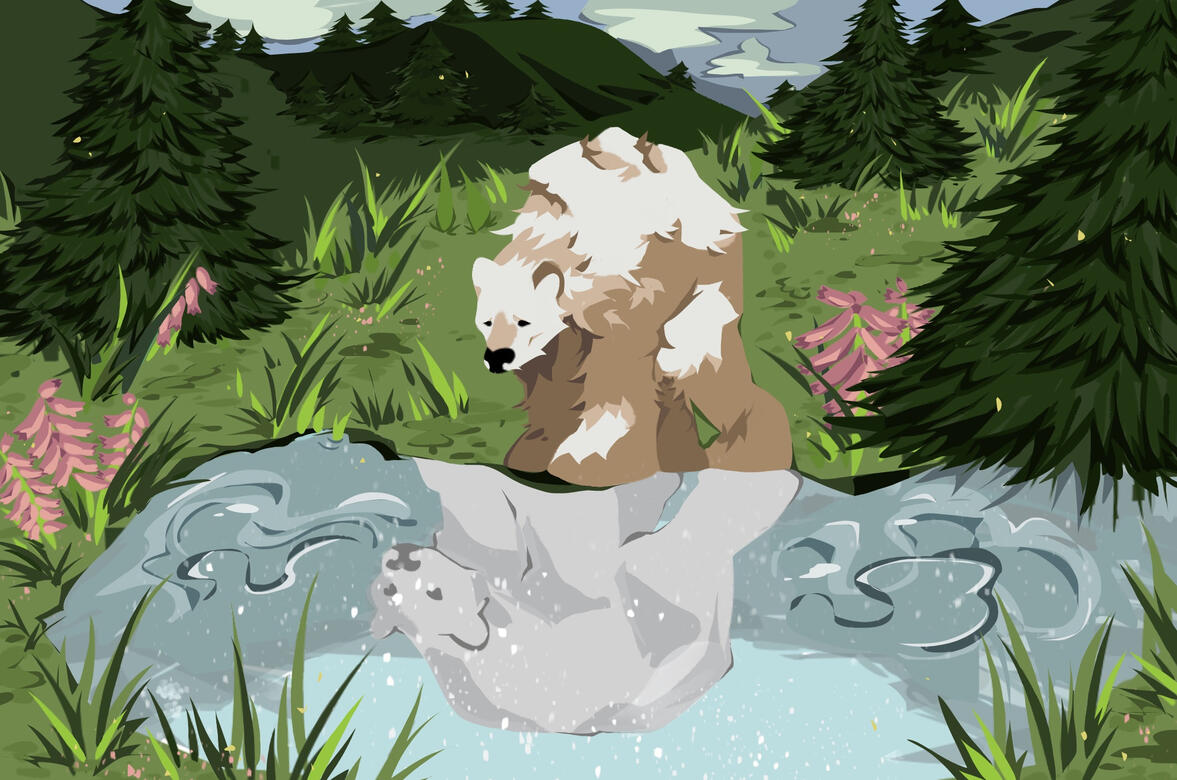
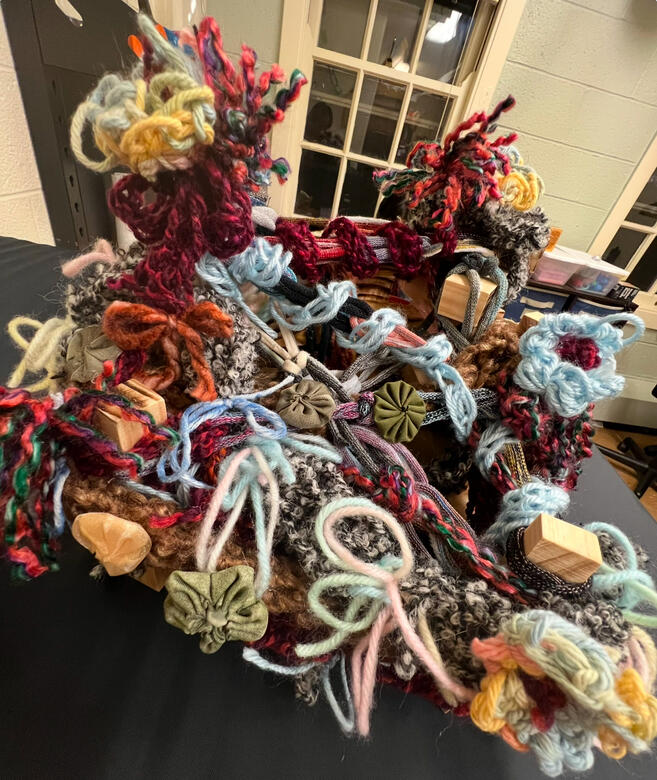
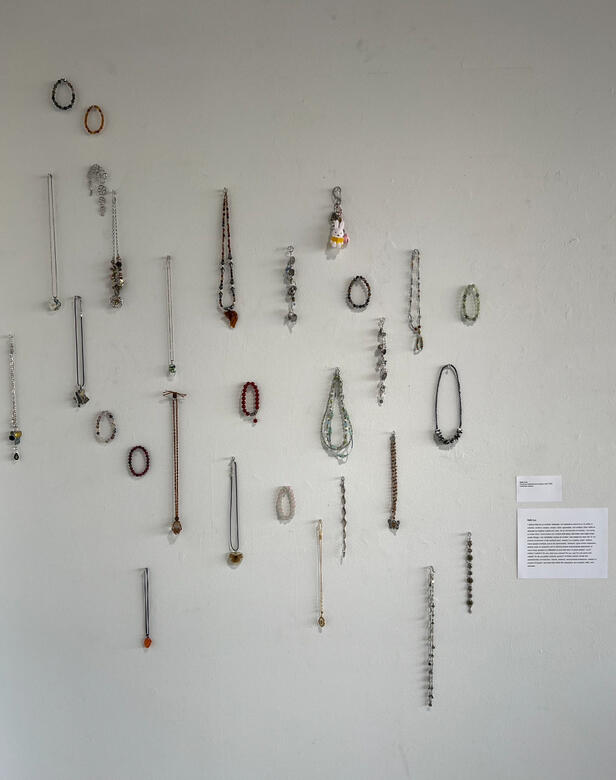
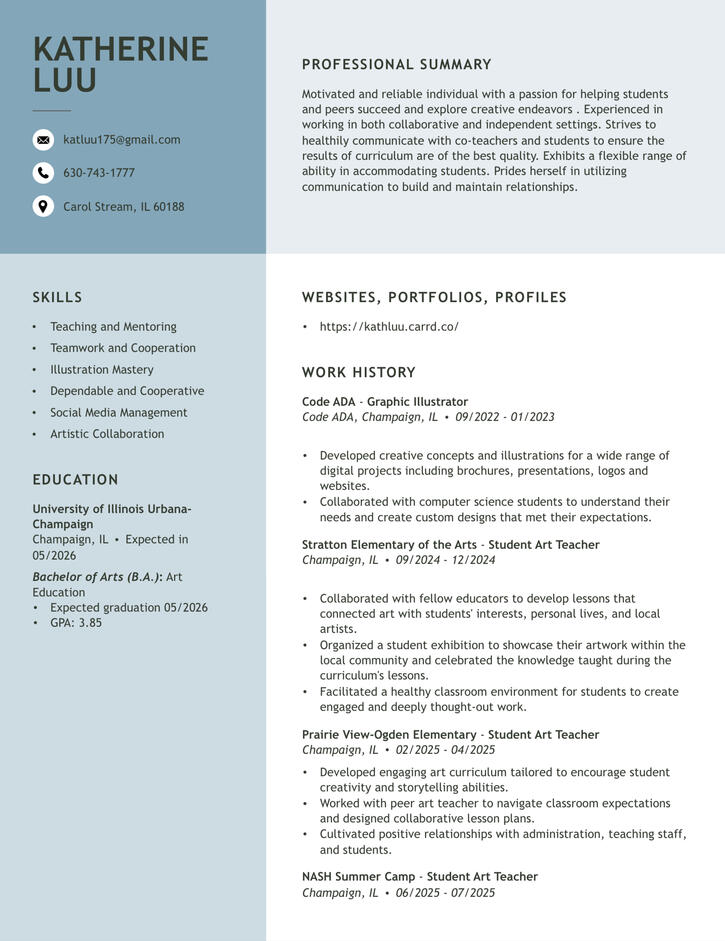
Kath (she/her) is an undergraduate student under the Art Education BFA (2026) program at the University of Illinois Urbana Champaign-Urbana. Her passions involve illustration, jewelry, and sculpture. By combining these elements together they hope to pursue a career in inspiring other creators or museum work.
Academic Journey
Art Education (BFA)
Katherine is in her senior year of her Art Education Bachelor’s. Prior to transferring into this major, she was a student in the Earth, Society, & Environmental Sustainability major in the College of LAS. Her interest in environmental conservation continues to be a prominent theme in her educational work.


Professional Work
Teaching Philosophy
As a student new to the field of education, I have gradually collected information throughout the course of my studies that have helped me formulate a judgment of my strengths and weaknesses as an educator. As a person, I value the ability to form connections with others. As an educator, this notion is emphasized even further due to communication being the root of creating and maintaining relationships. I strive for my students to be aware that they are not only simply an individual physically present in the classroom, but also an individual who is deserving of help and productive conversation in hopes of expanding and perfecting their creative ideas.Working with young children has shown to me how critical it is for an educator to accommodate for each individual student, and to ask questions in order for them to further flush out their ideas. Their personal experiences shape much of their work, and rarely do they express any reluctance when initially brainstorming. I have found this is a trend common in older students, who ask the questions of, “Is this good enough?” Or, “Will other people like this?”. Rather, young children are bold enough to put their first ideas on paper, and they wholeheartedly believe that what they have created is the best. I find this incredibly beautiful, and I find myself wanting to encourage this courage in broadcasting their “best” work.
In terms of effective teaching, I believe my most recent semesters of undergrad have greatly submerged me into the role of an educator, more so than before. Other than forming a healthy relationship with students and seeing them all as unique, deeply intricate individuals, I have also done self-reflection in terms of what teaching art means to myself. I personally love the process of creating, seeing the end result, allowing others to interpret my work, and to properly convey my ideas into whichever medium I choose. However, I have been thinking about how I can encourage these same motivations in my own students. With what little experience I have, I have found that the most vital point in allowing for these things to happen is to pour time and effort into prepping for the classroom. As educators, we may never have a day of teaching go according to plan, therefore, it is essential that our lessons accommodate for any pitfalls that may come. Only then will the informational content and work time be preserved.What I value most as an individual and now as an educator is human connection. Although I am shy and find myself often shying away from the very aspect of human connection I put on such a pedestal, I am pushing myself to go out of my own comfort zone due to the importance of my ideals and utilizing my efforts to share them with students who may benefit from learning how to use art as a means of creating their own connections.
Personal Projects
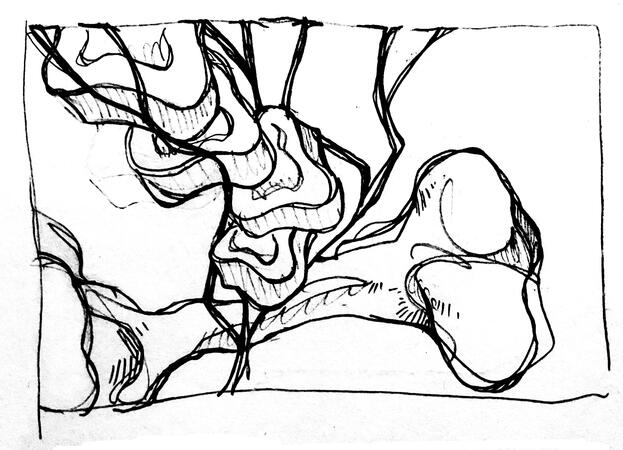
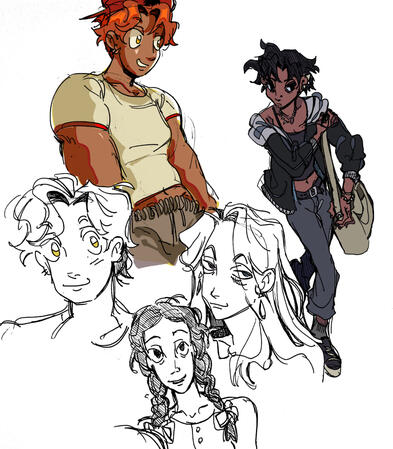
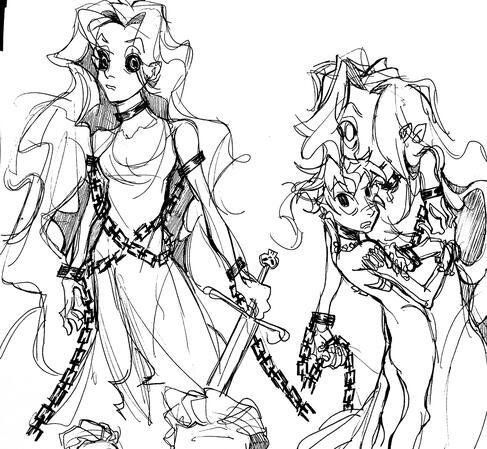
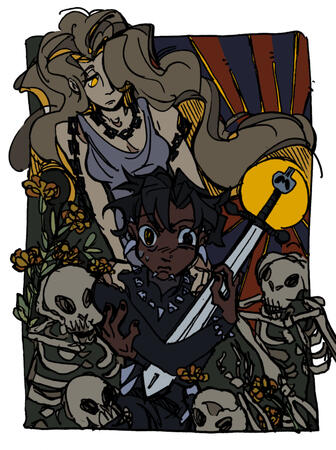
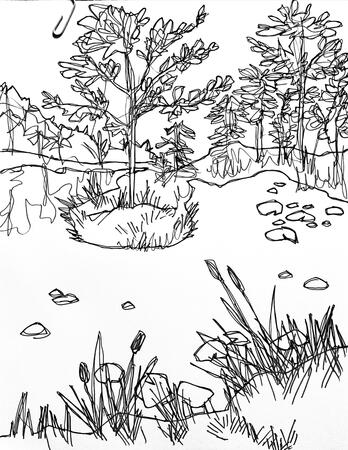
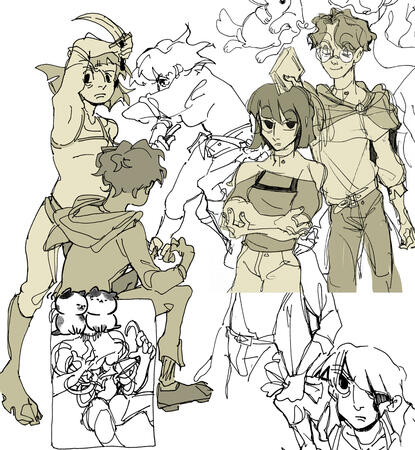
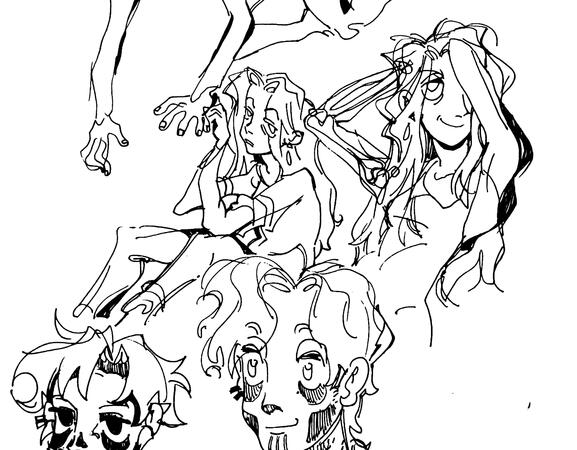
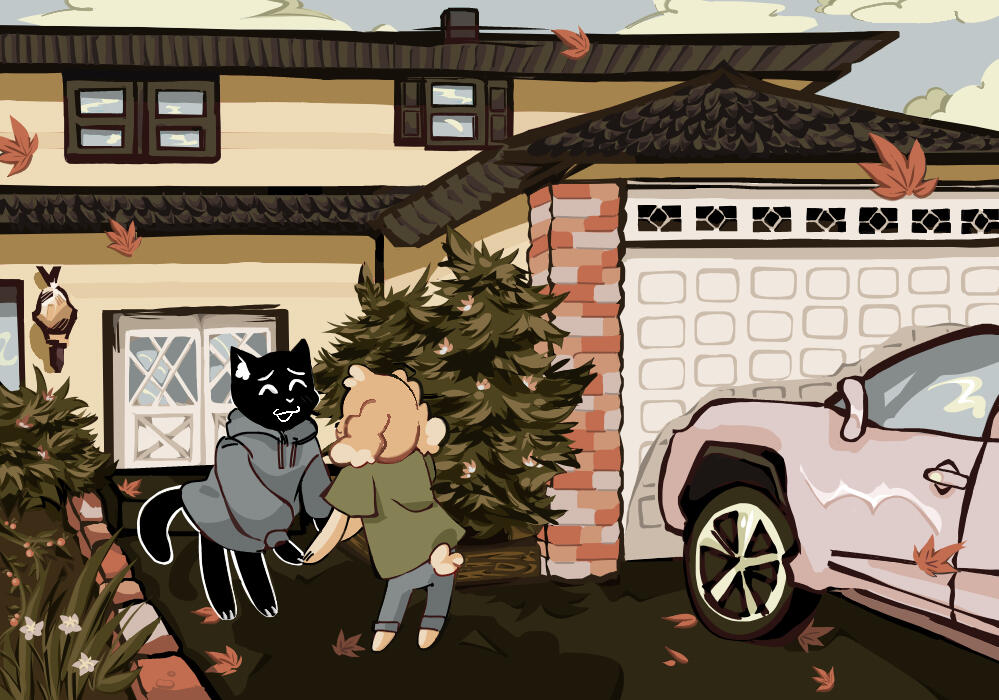
Portfolio Gallery :
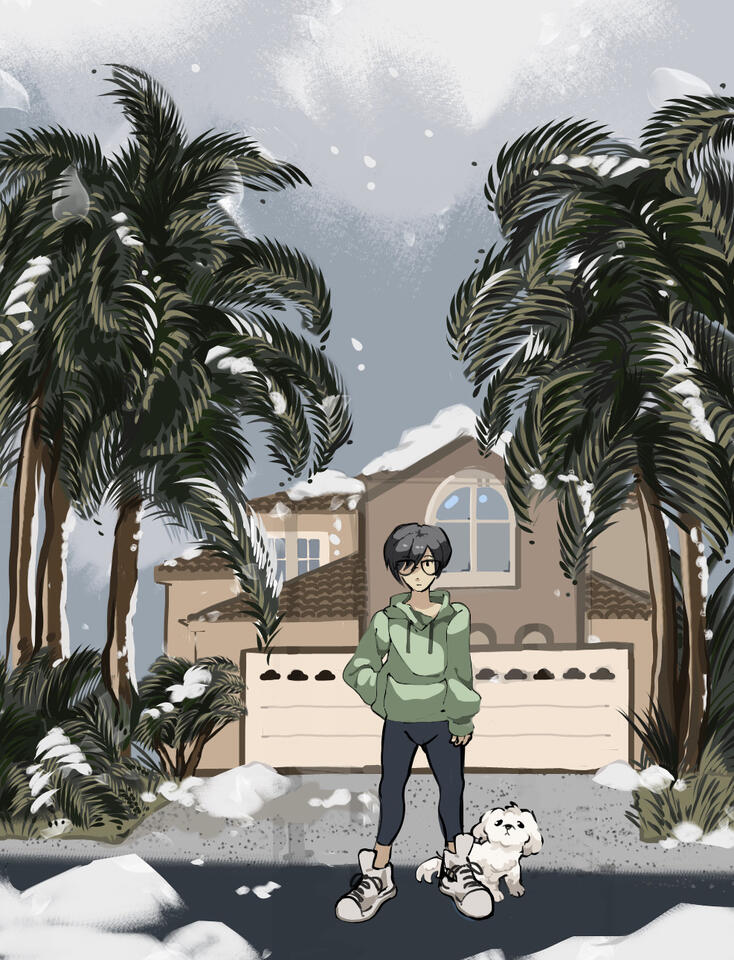
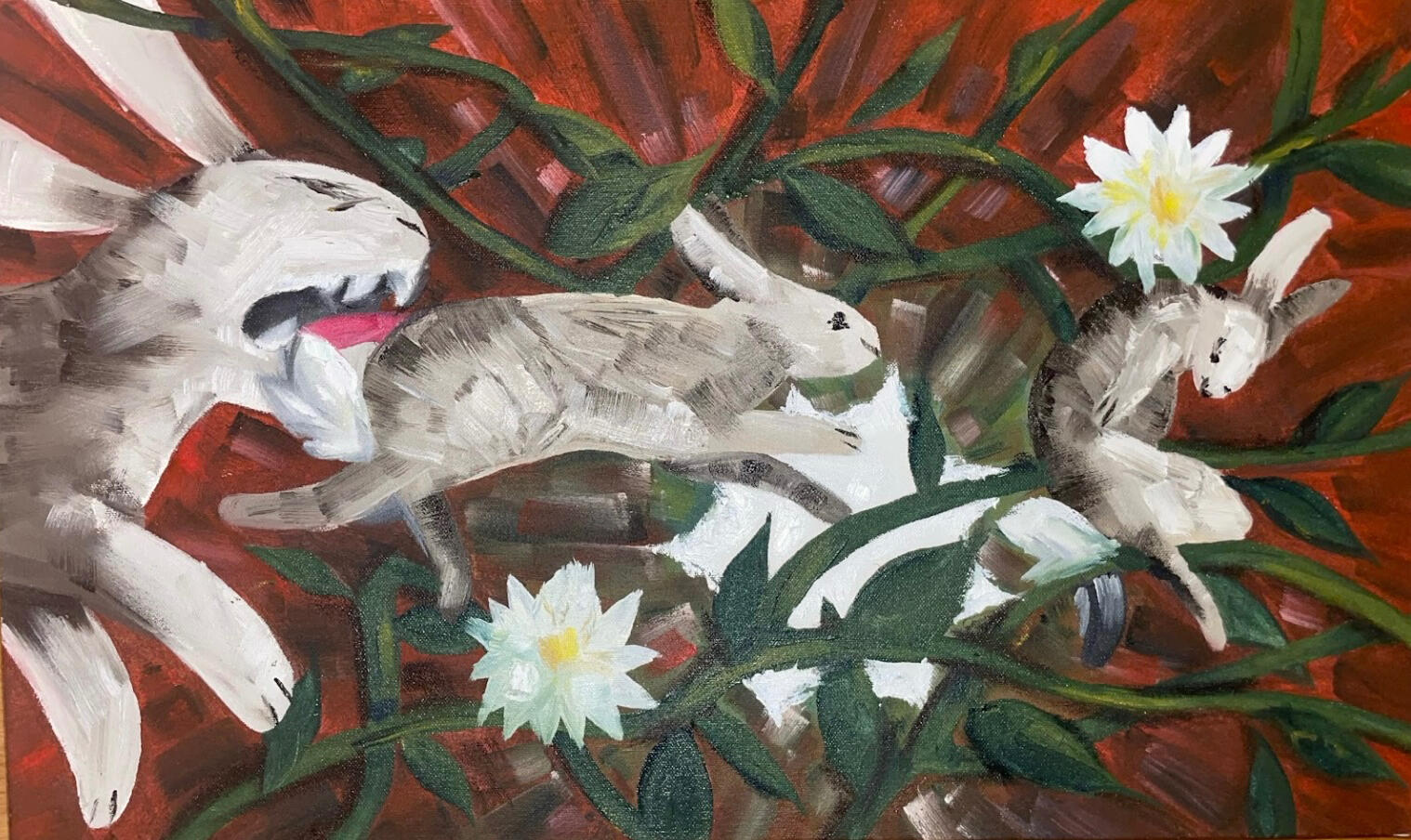
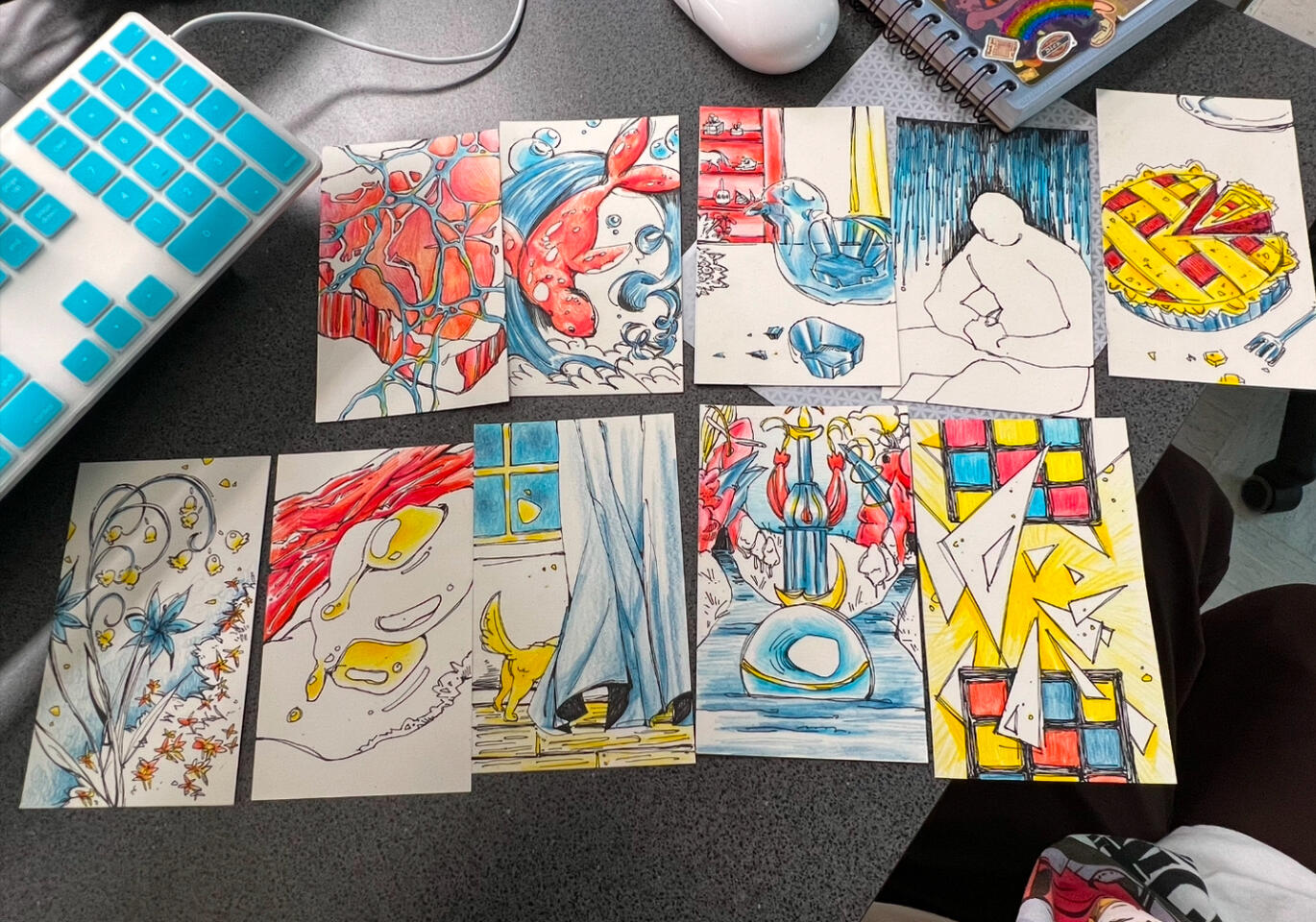
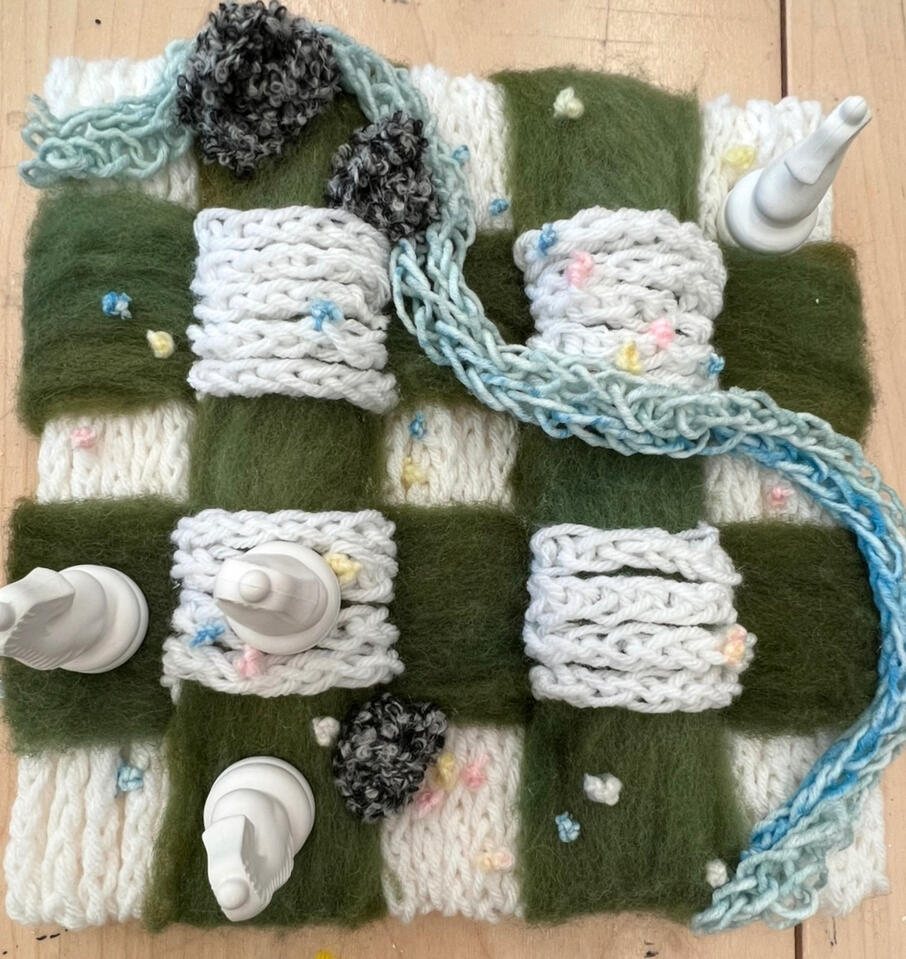
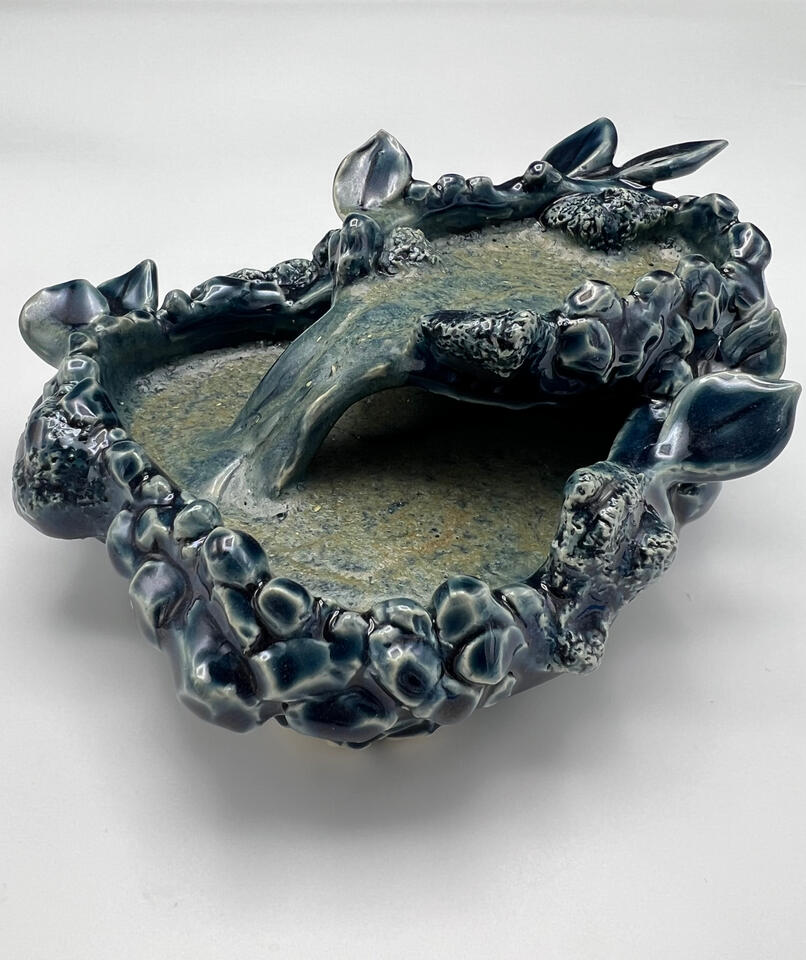
ARTE 303
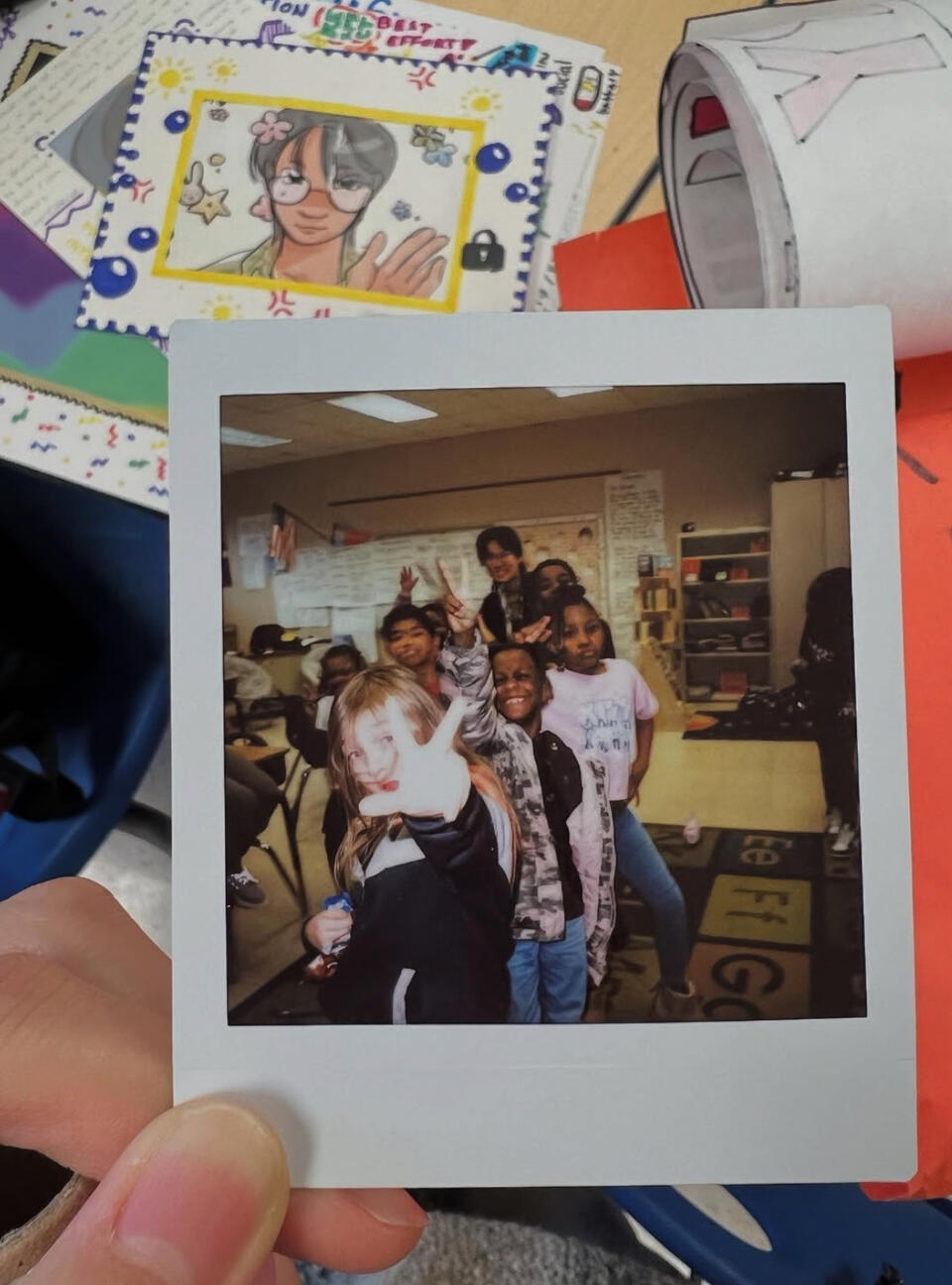
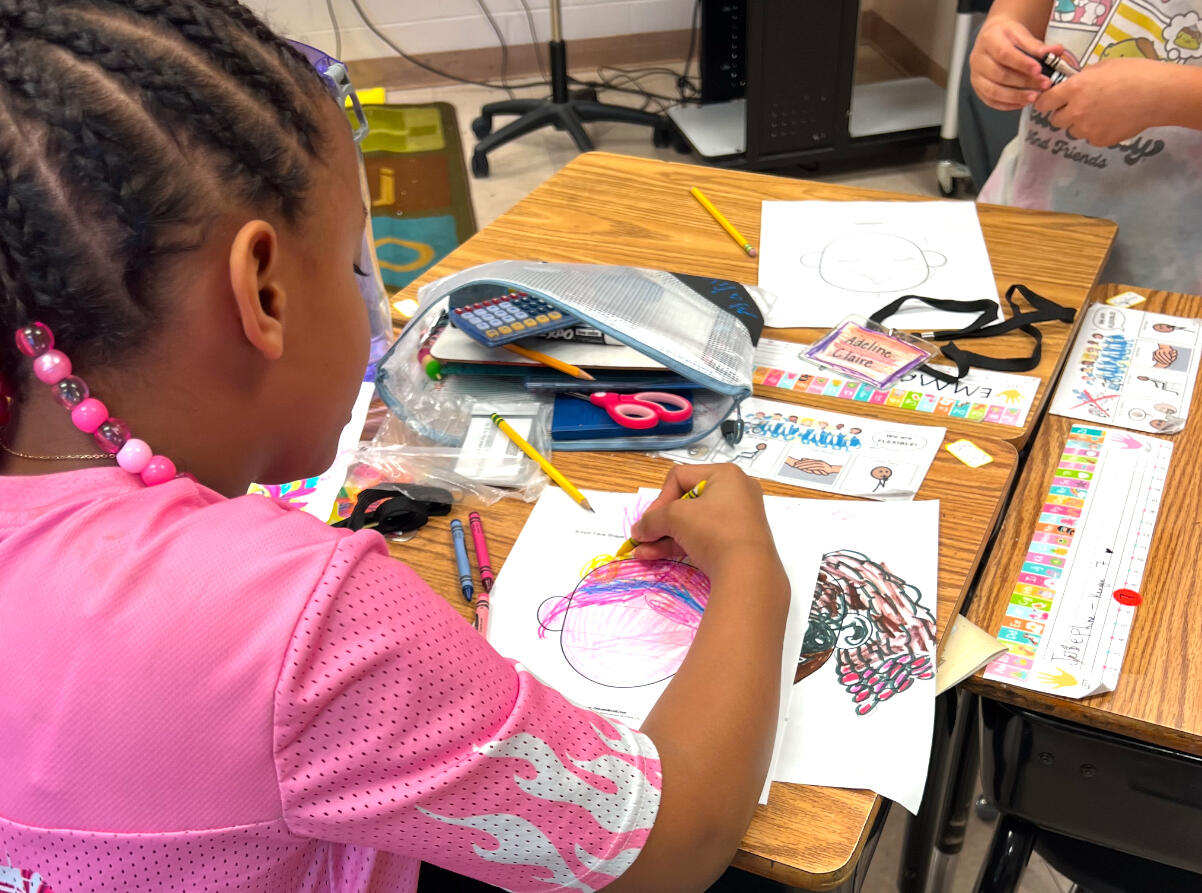
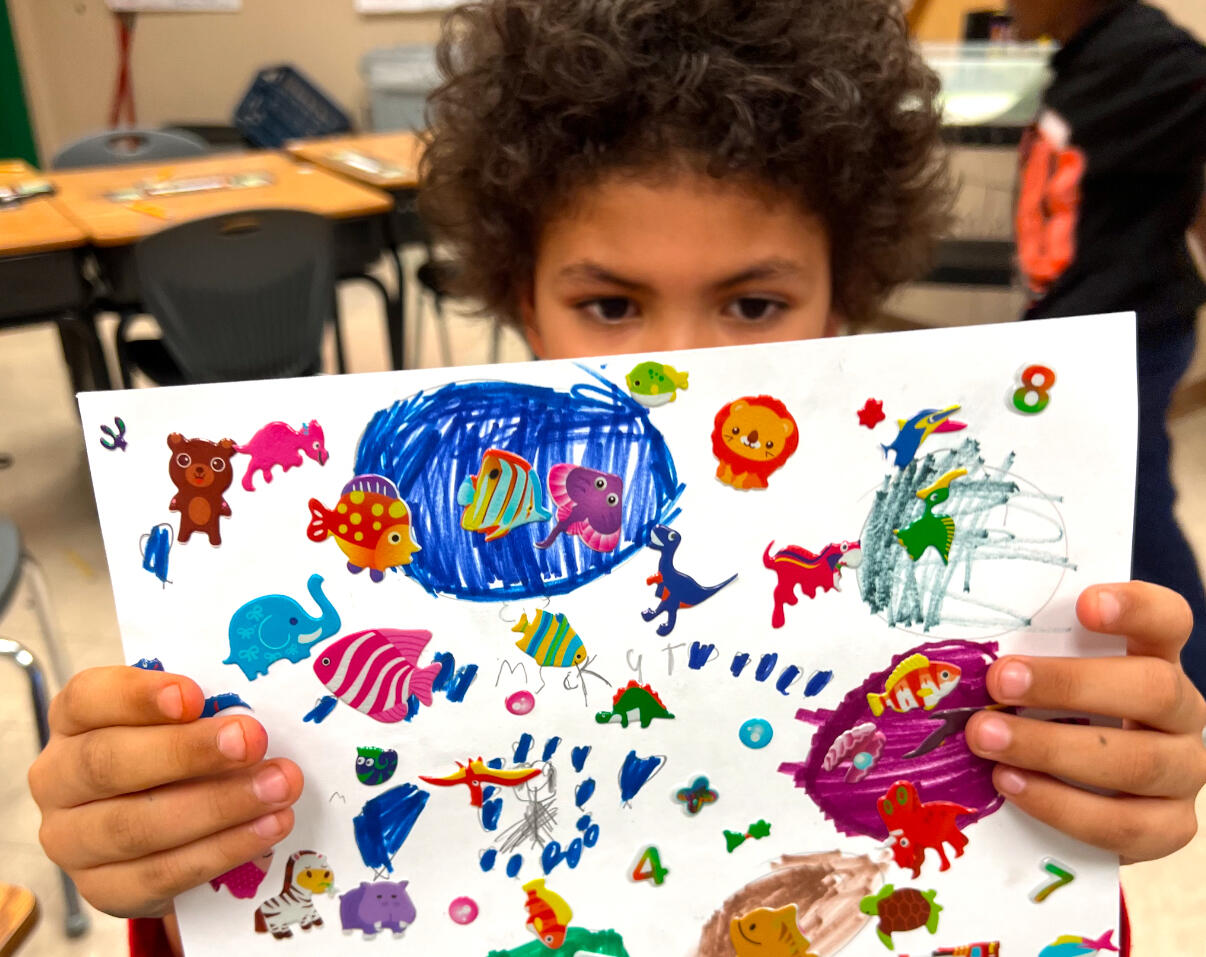
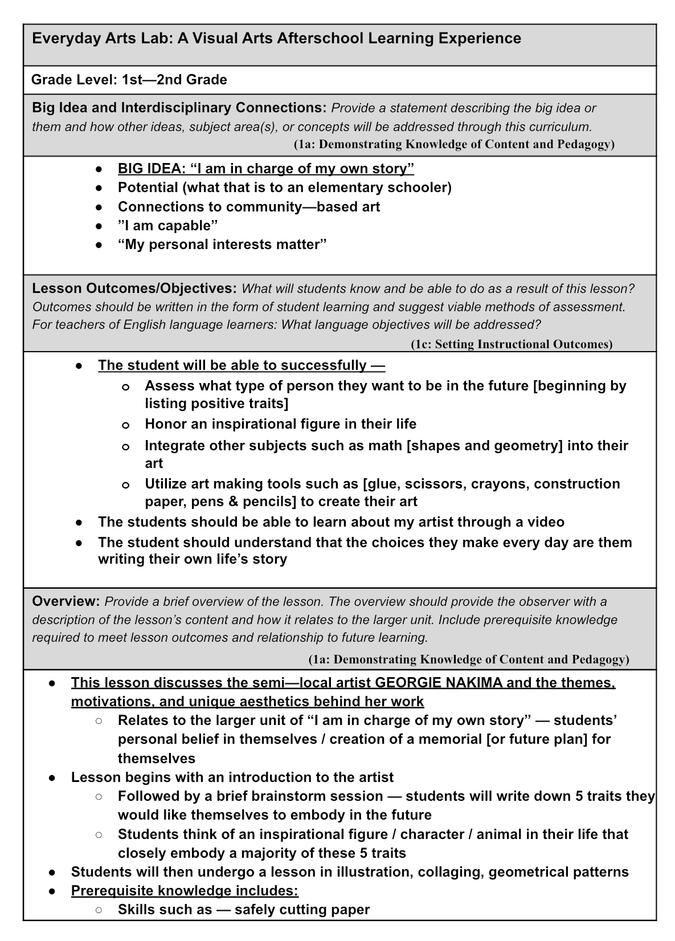
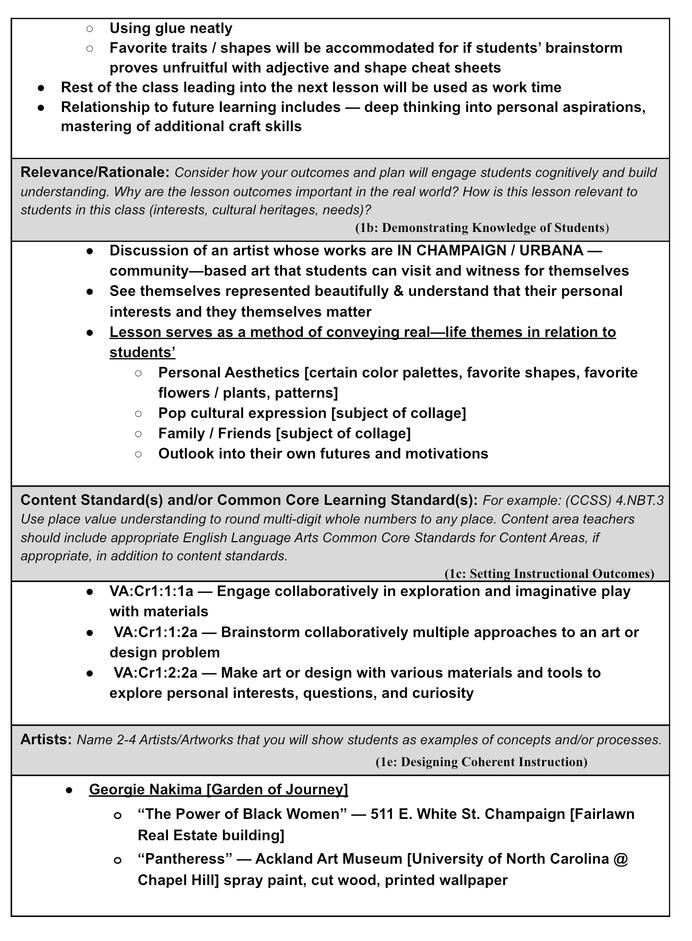
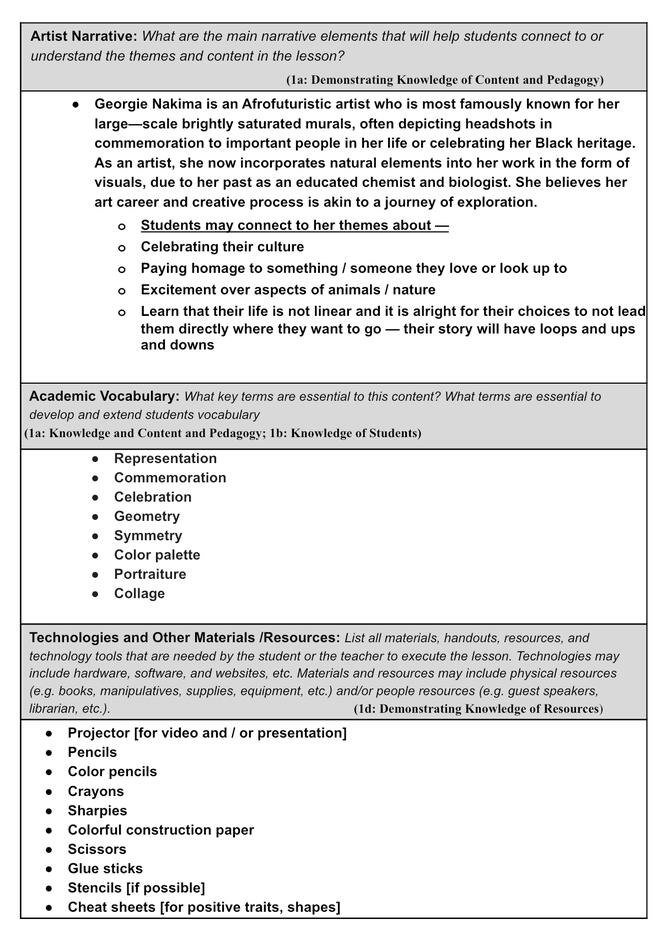
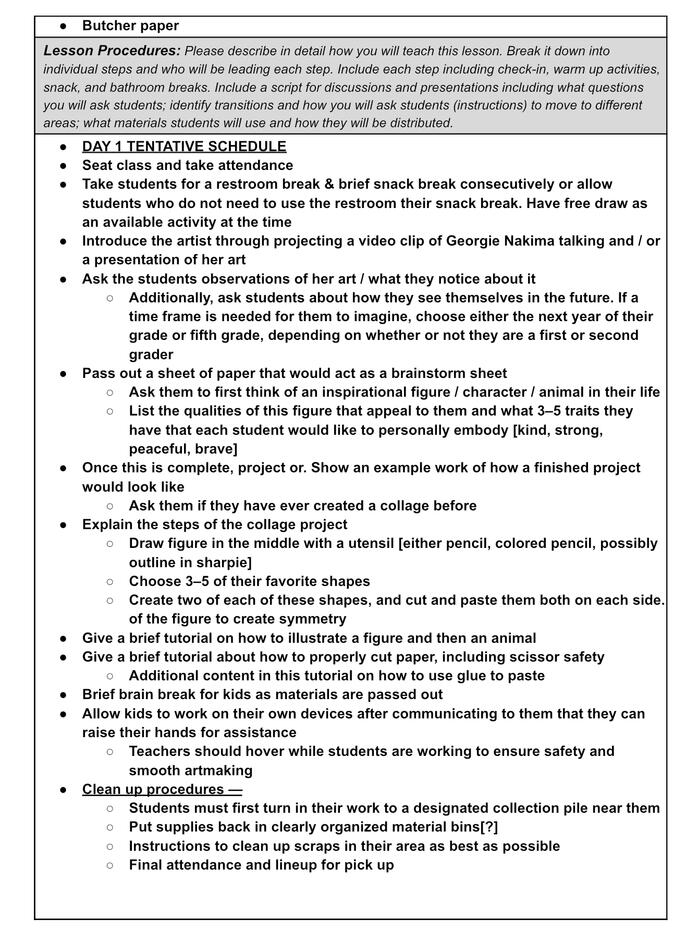
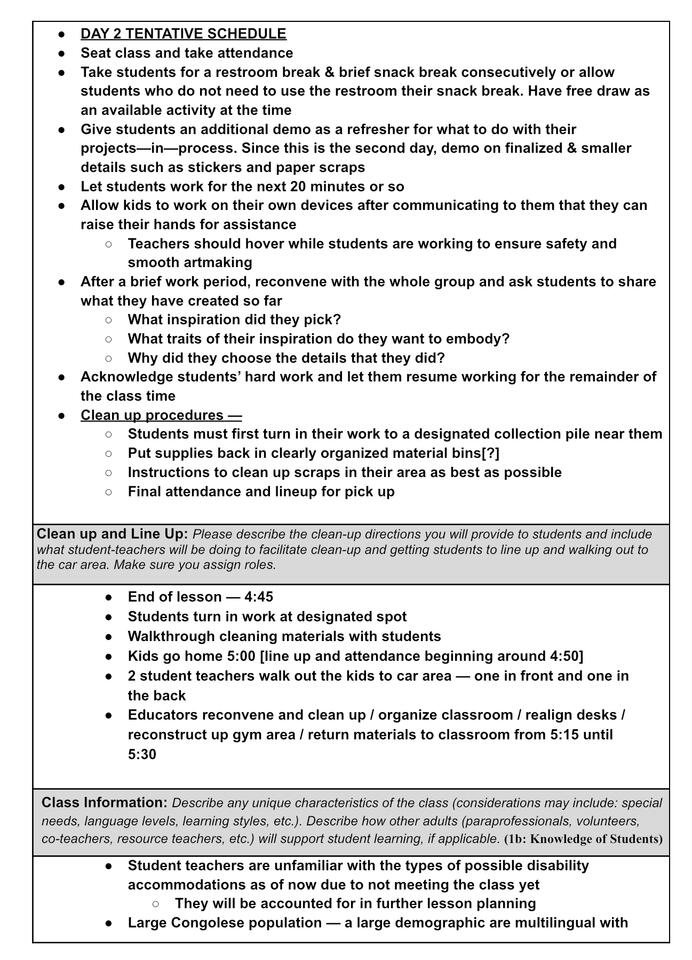
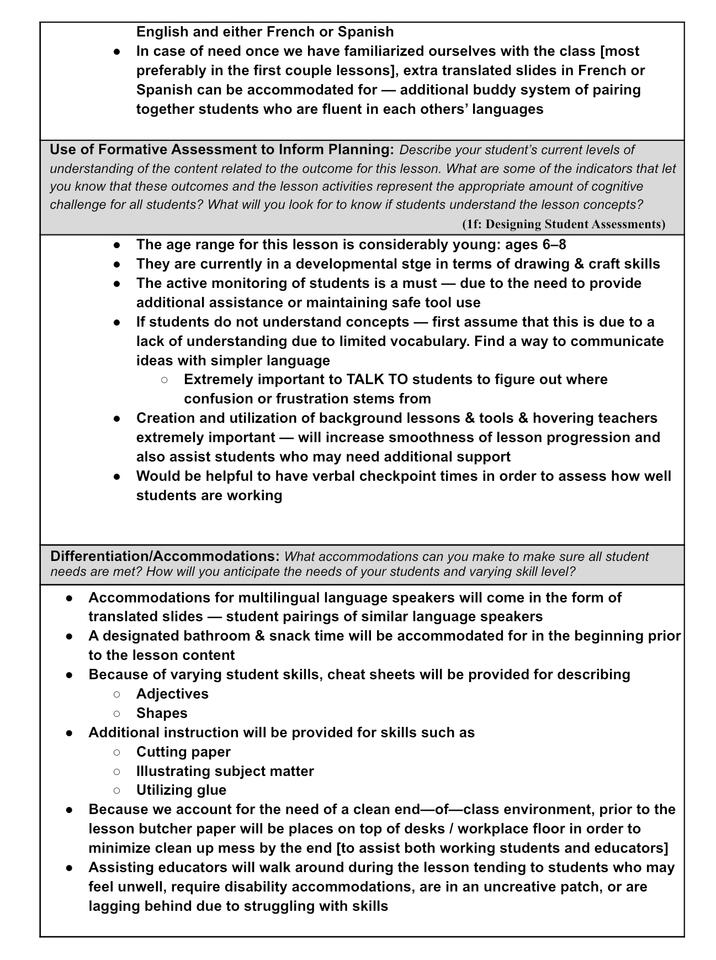
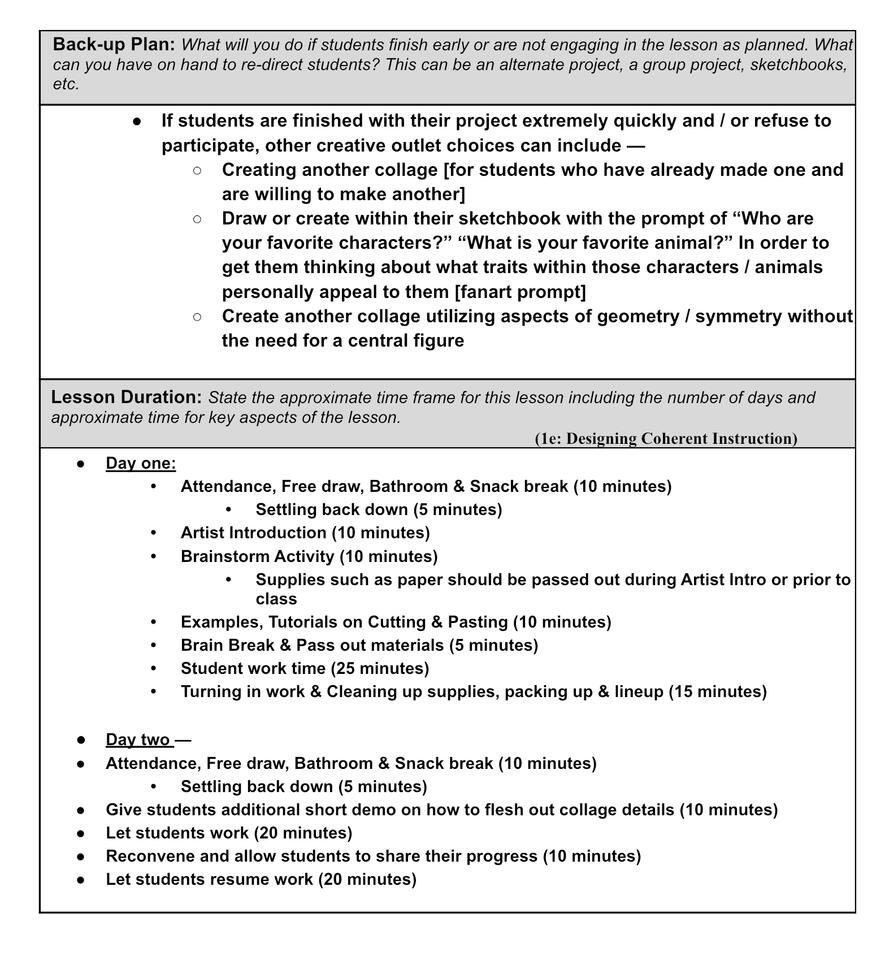
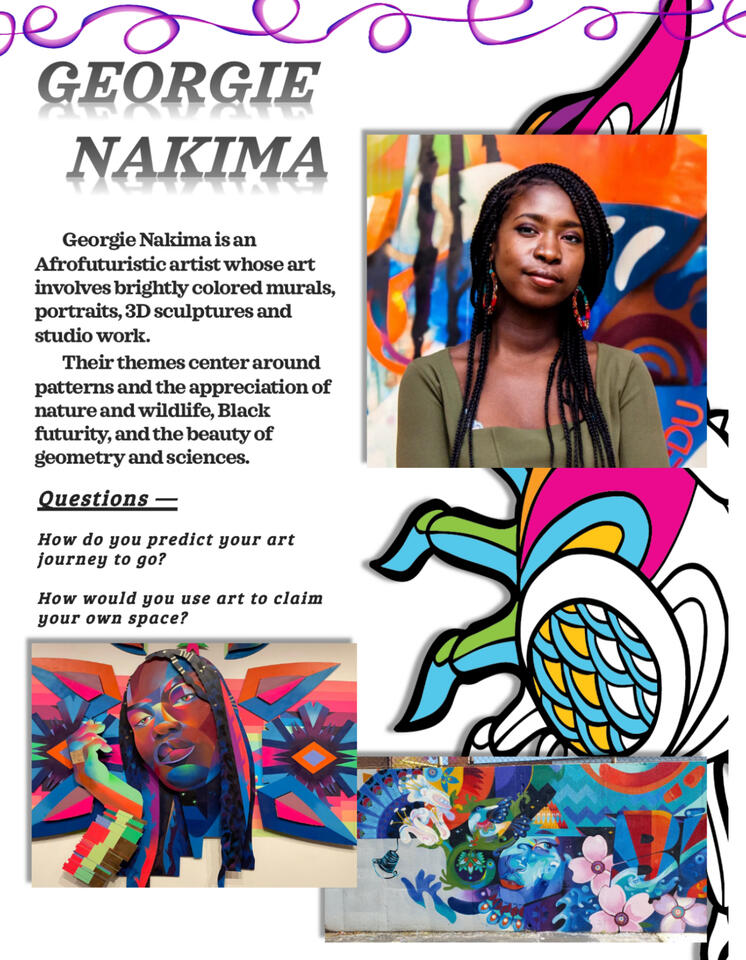
ARTE303 or Everyday Arts Lab was an art education course that entailed working collaboratively in a group to bring the students of Stratton Elementary of the Arts in Champaign, IL an experience known as an “Everyday Arts Lab”. After school, us educators brought to our group of 1st — 3rd graders project prompts under the Unit theme, “I Am In Charge of my Own Story”. My own personal lesson plan for our unit involved the work of artist Georgie Nakima.
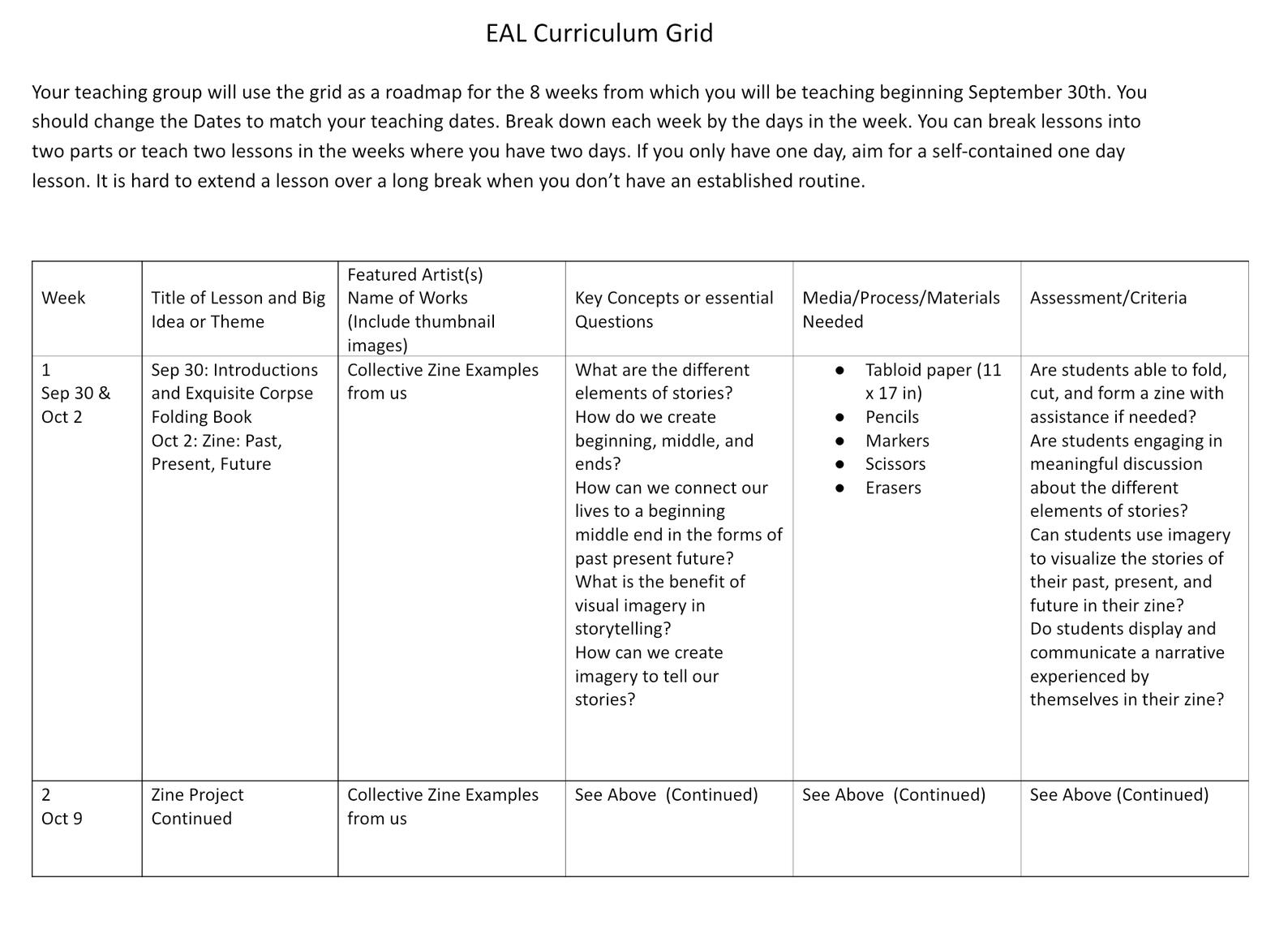
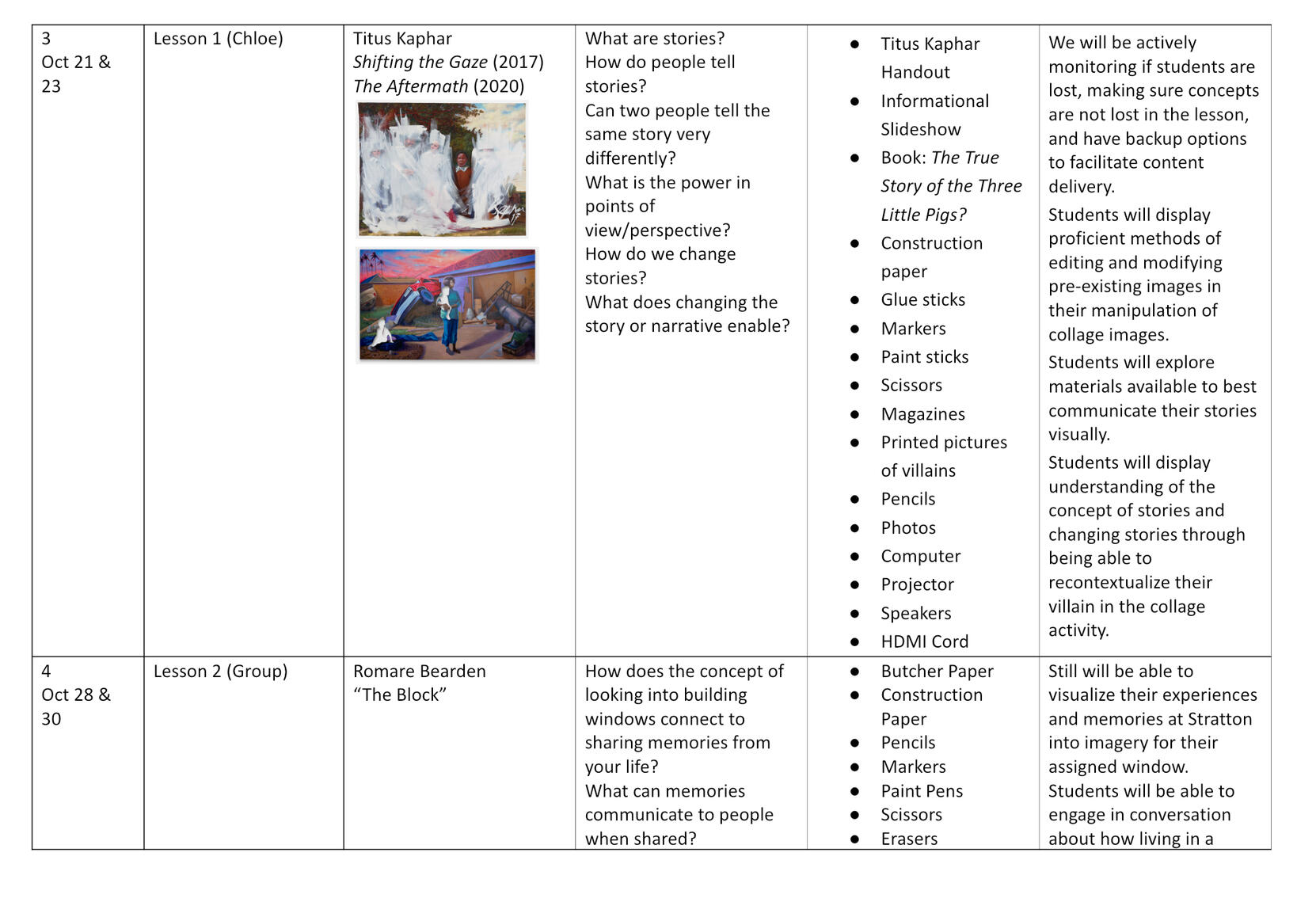
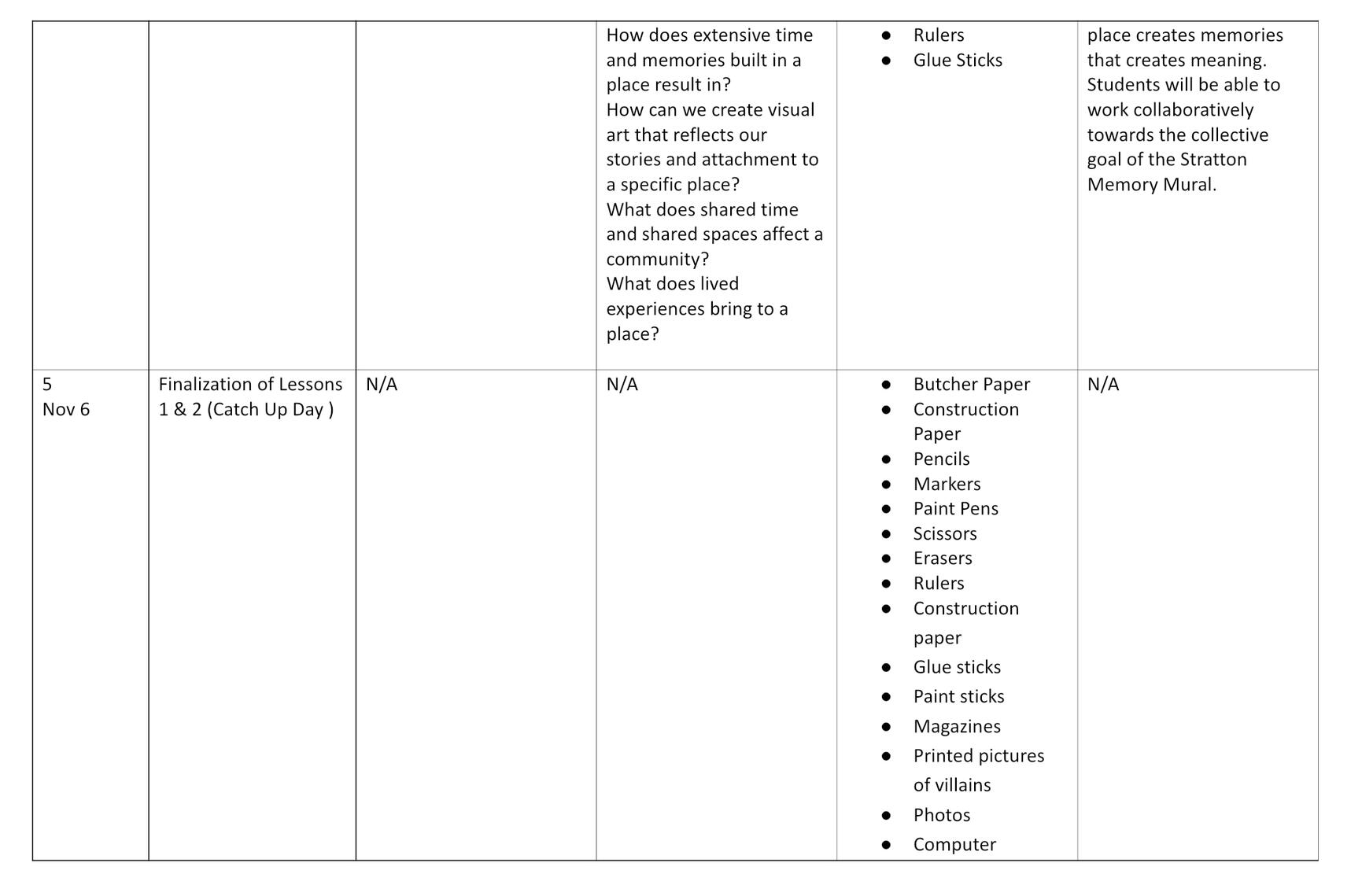
Curriculum Grid
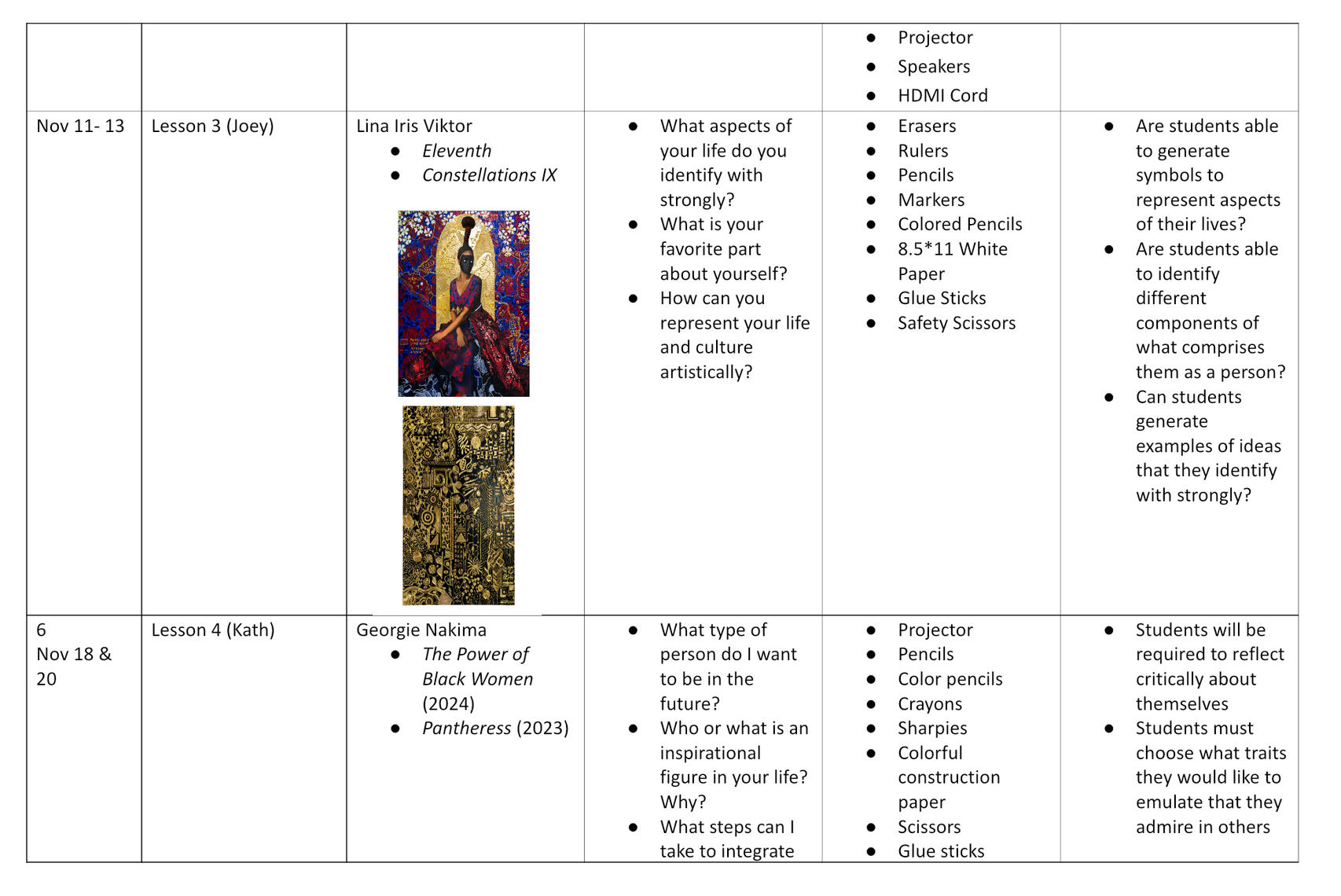
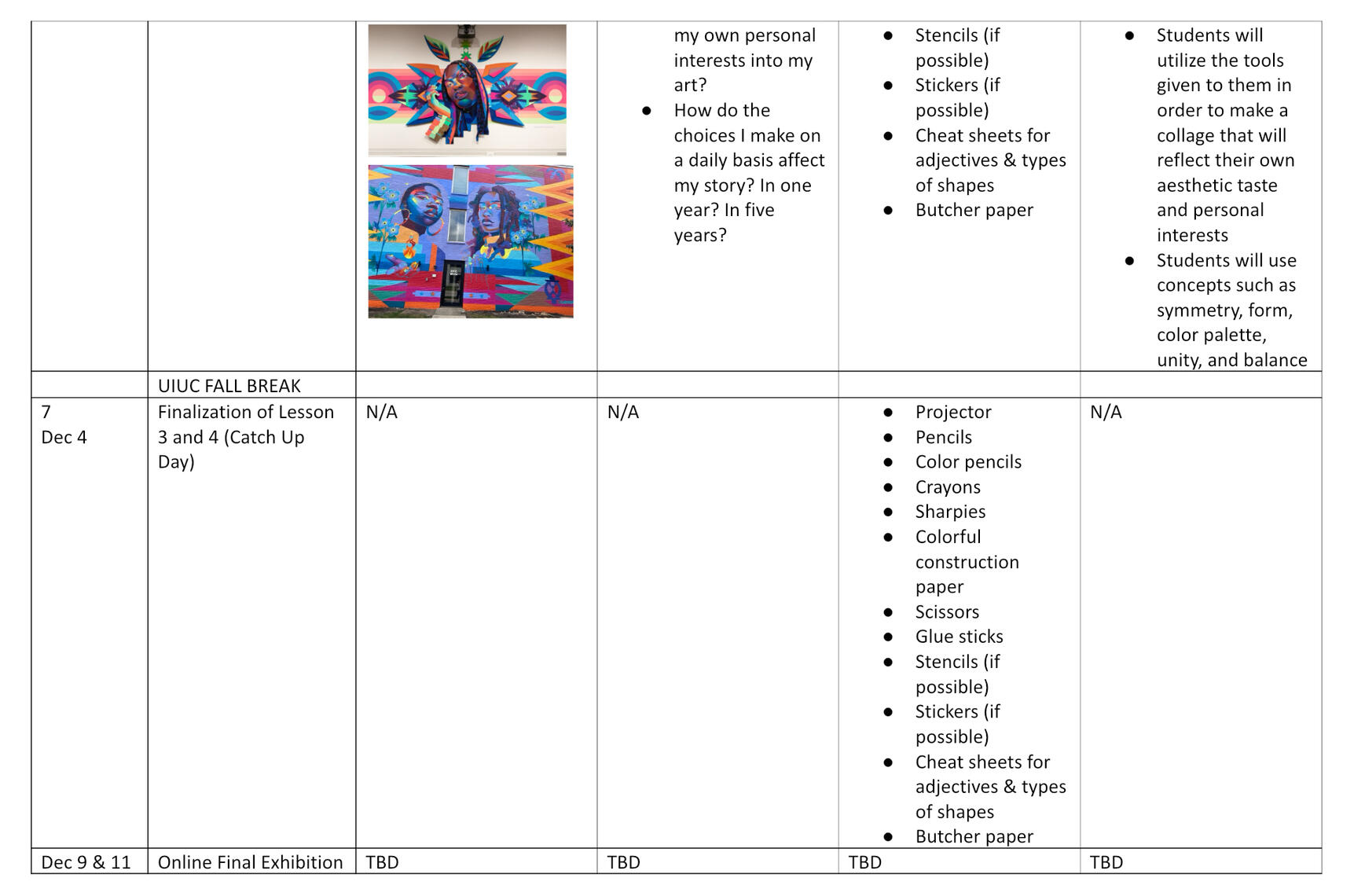
Student Work
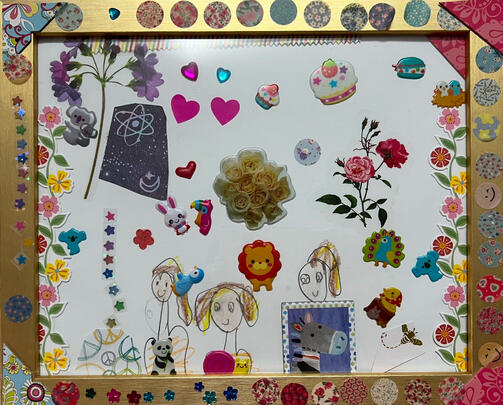
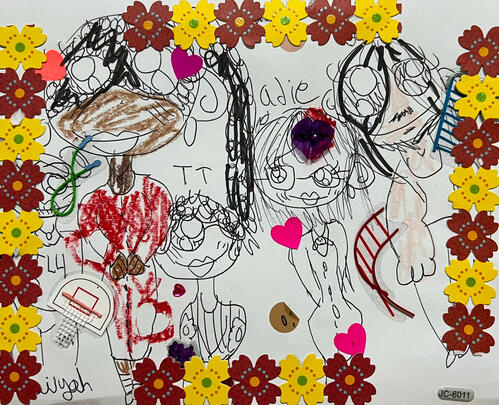
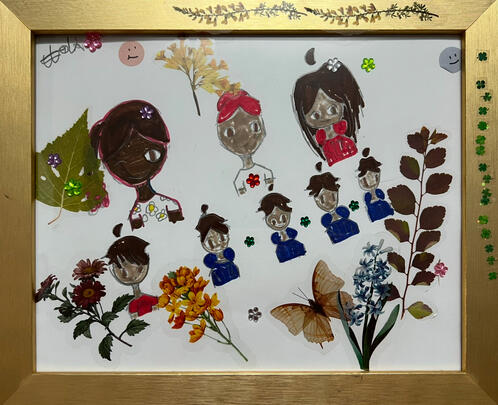
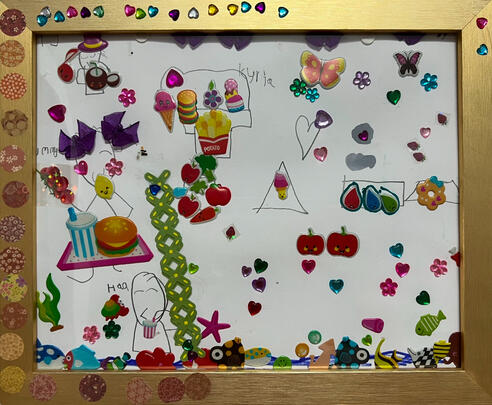
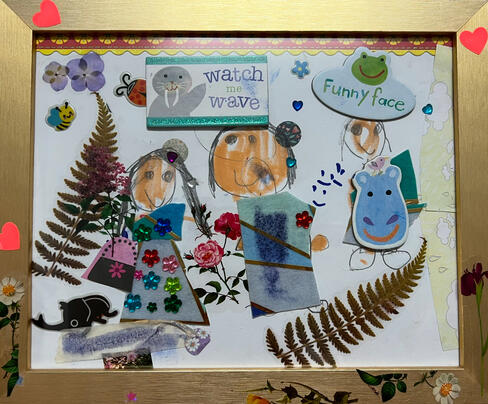
Inspirations, Traits & Shapes
ARTE 301
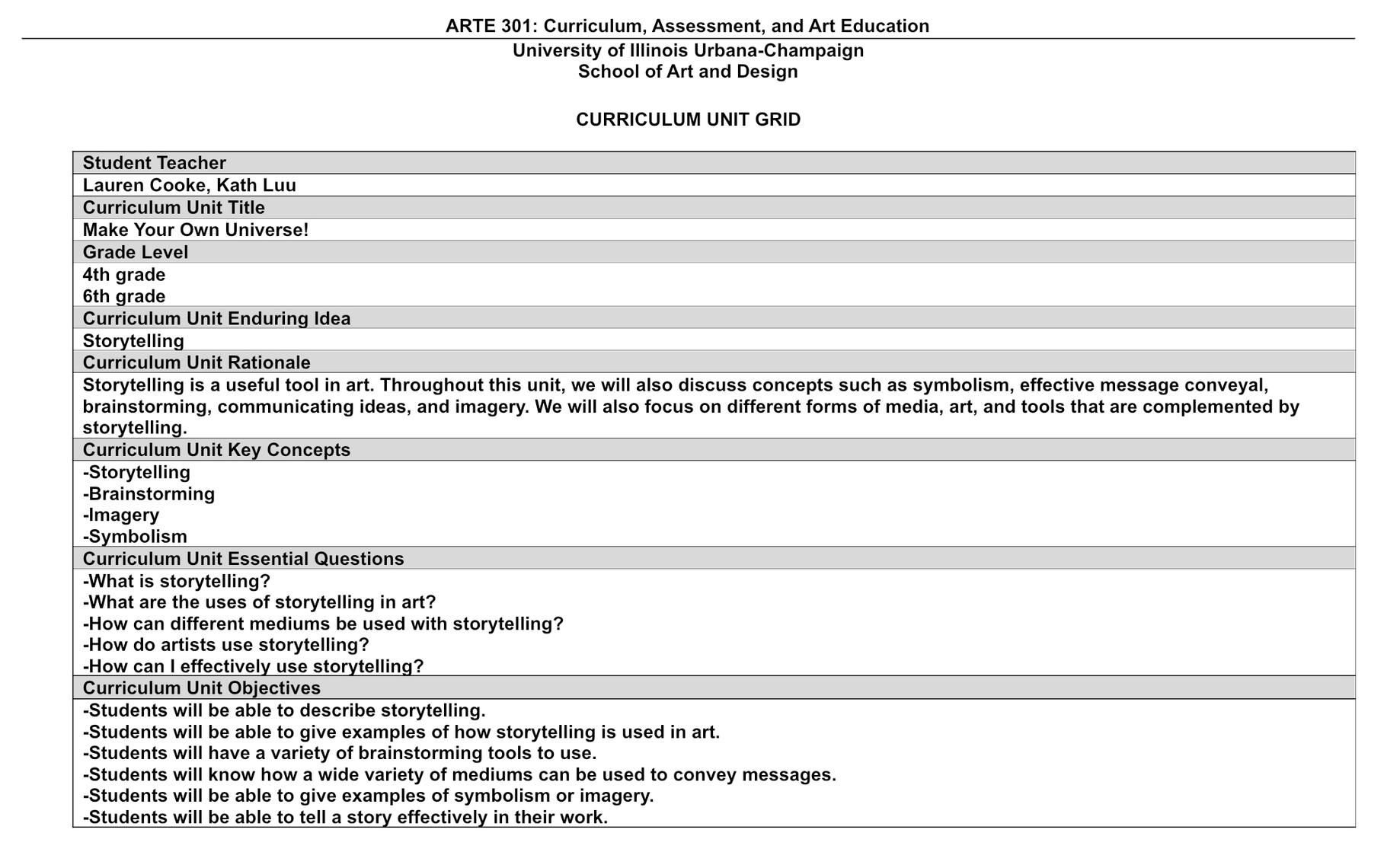
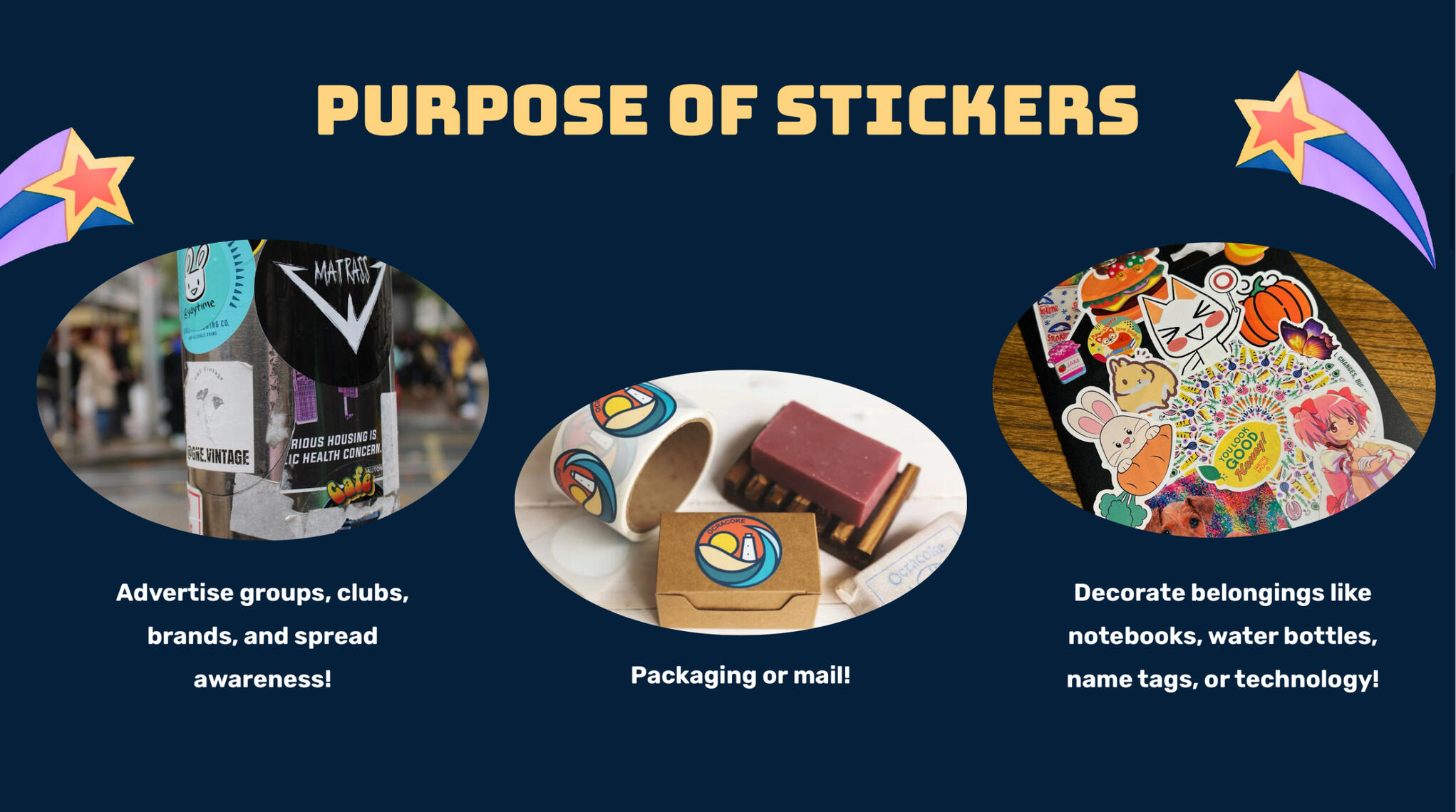
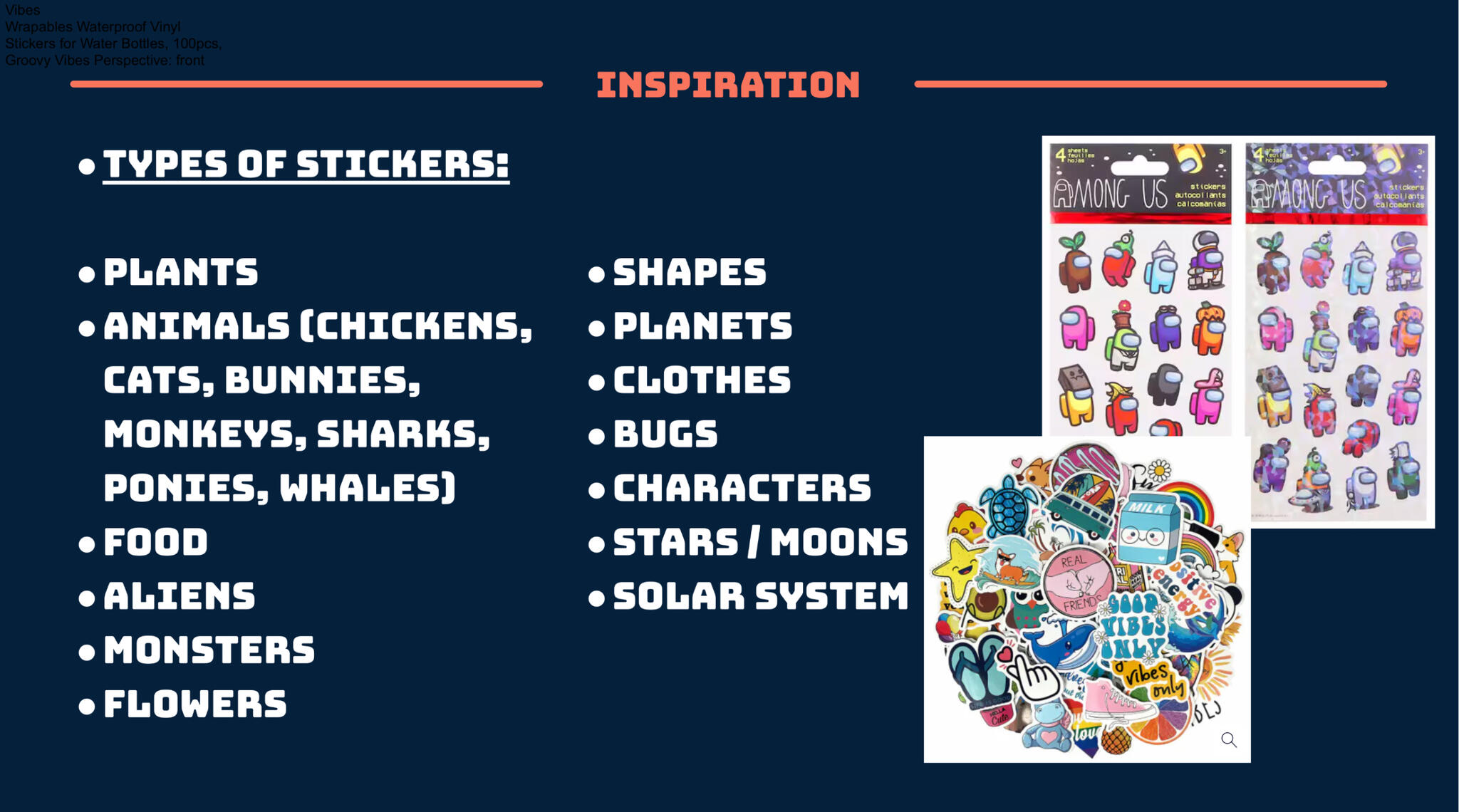
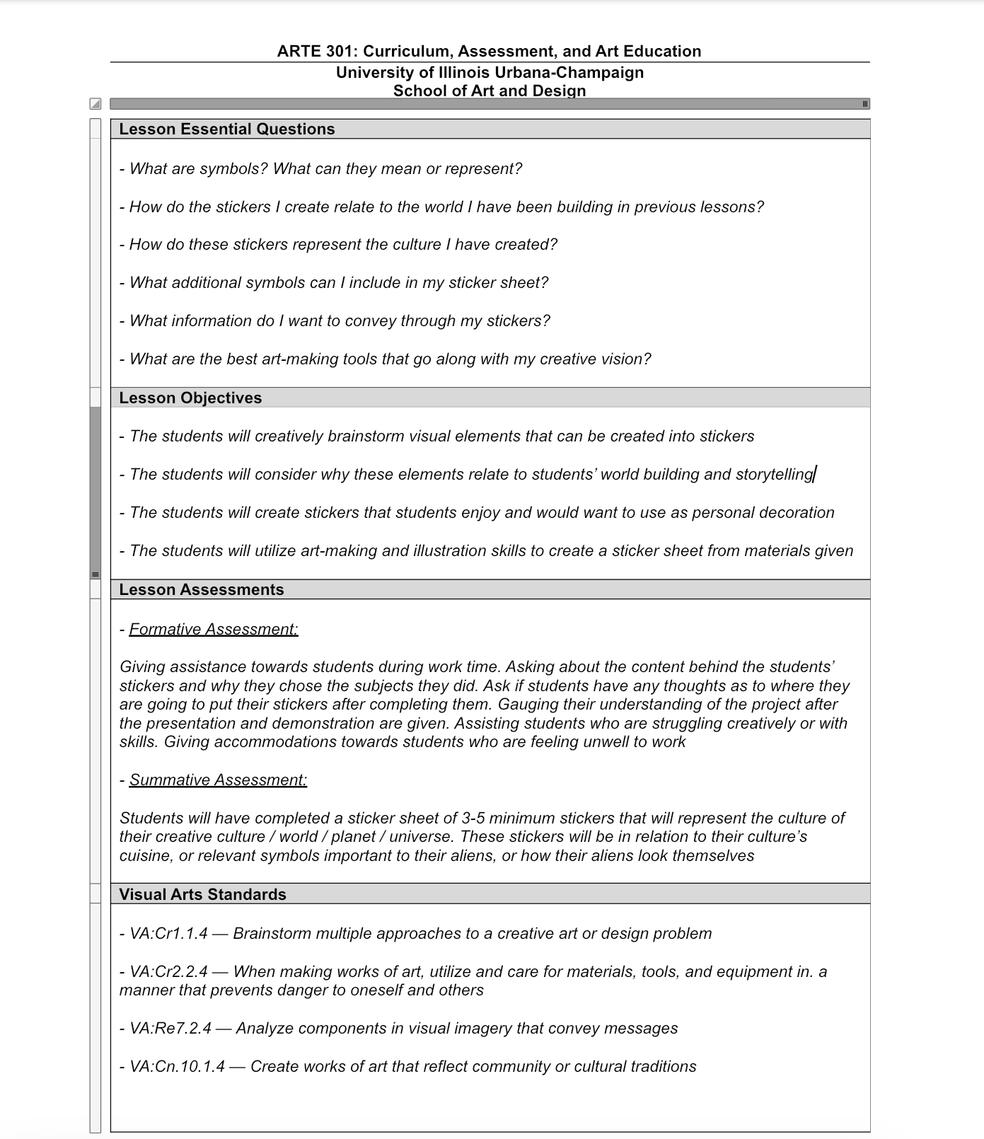
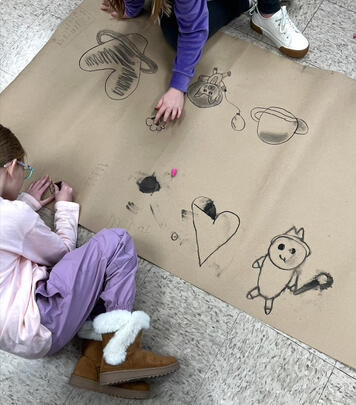
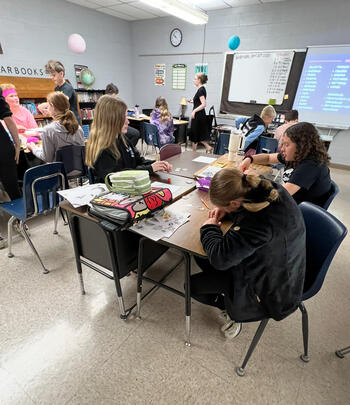
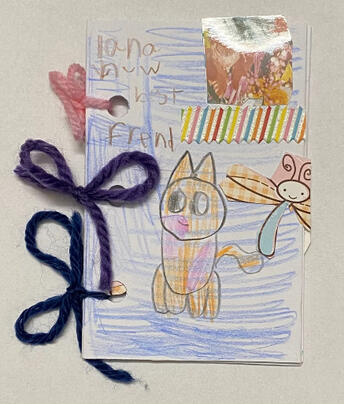
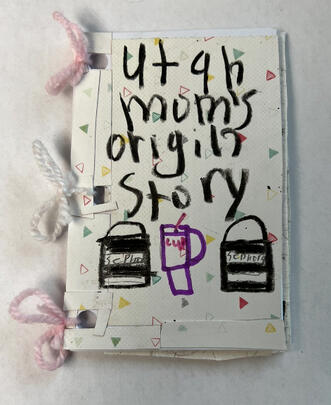
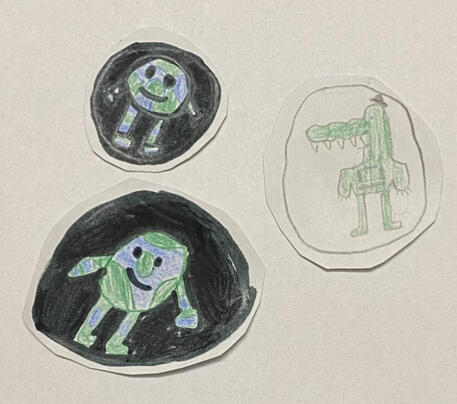
ARTE301 or Curriculum, Assessment & Art Education was an art education course that involved working with a co-teacher to create a curriculum for students in the Prairie View-Ogden North and South schools. My co-teacher Lauren and I chose Stroytelling as our enduring idea, and our curriculum had four lessons involving map making, zines, stickers, and pins. Our students explored creating their own universe and worldbuilding onto their initial idea after every lesson. Mediums we utilized during these lessons were vine charcoal, yarn, printing paper, and plastic pop-in pins. We wanted our students to have tangible objects they could cherish from their short art course.
Lesson Planning

Student Work & Enviornment
NASH 2025
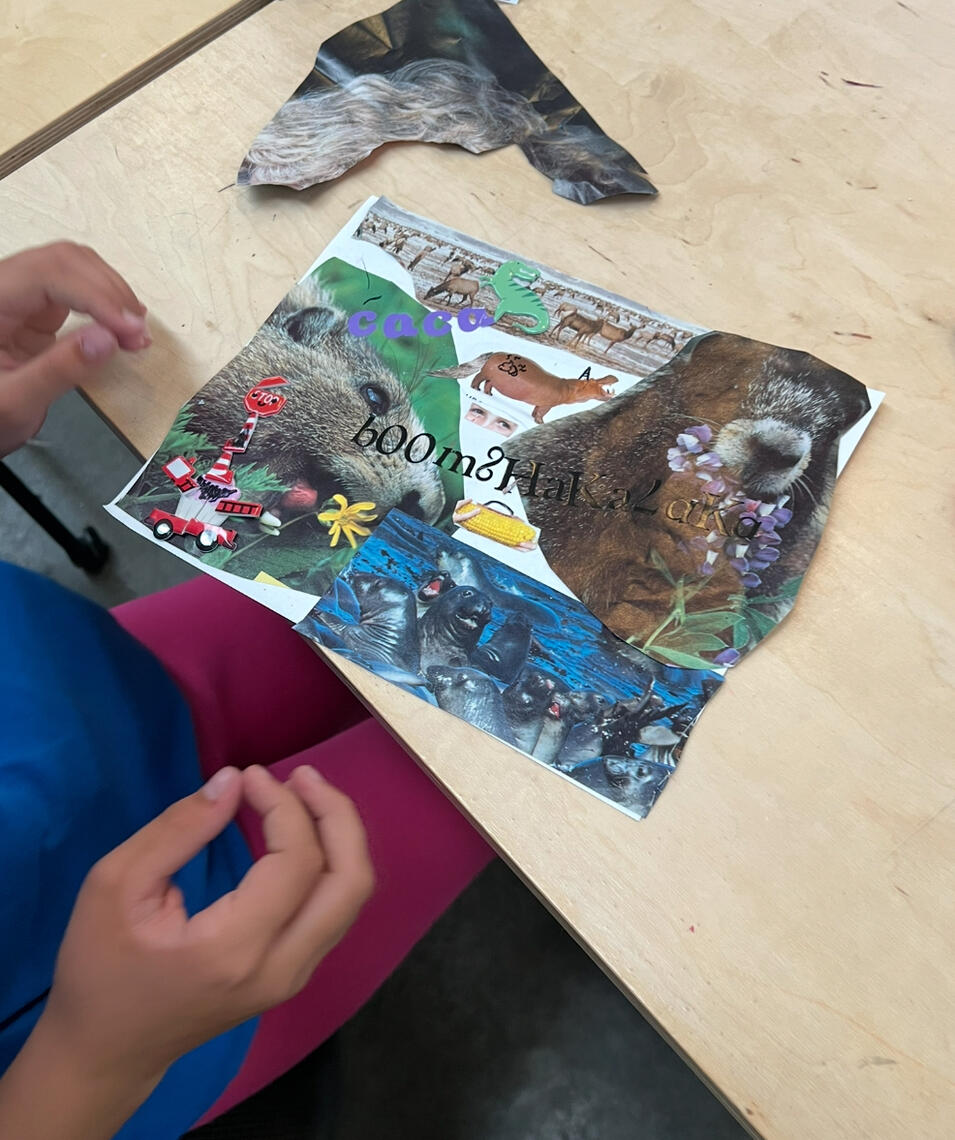
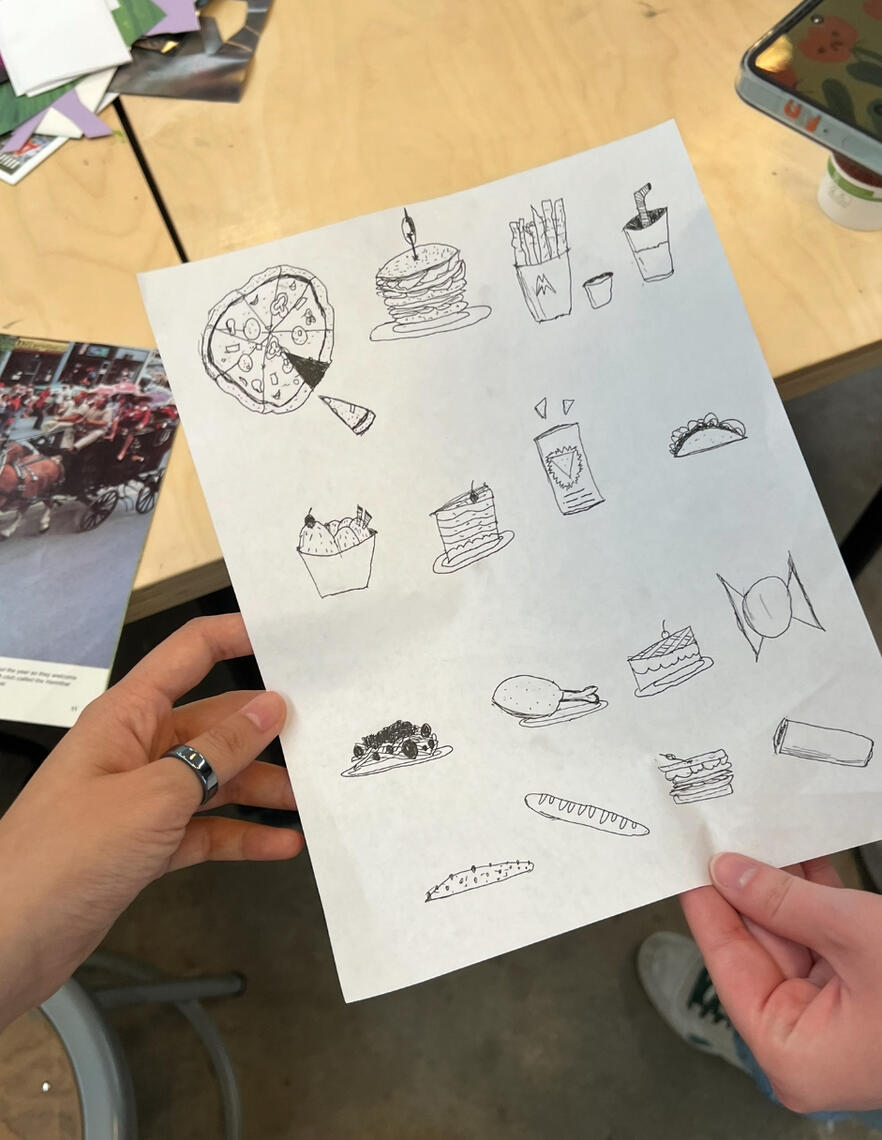
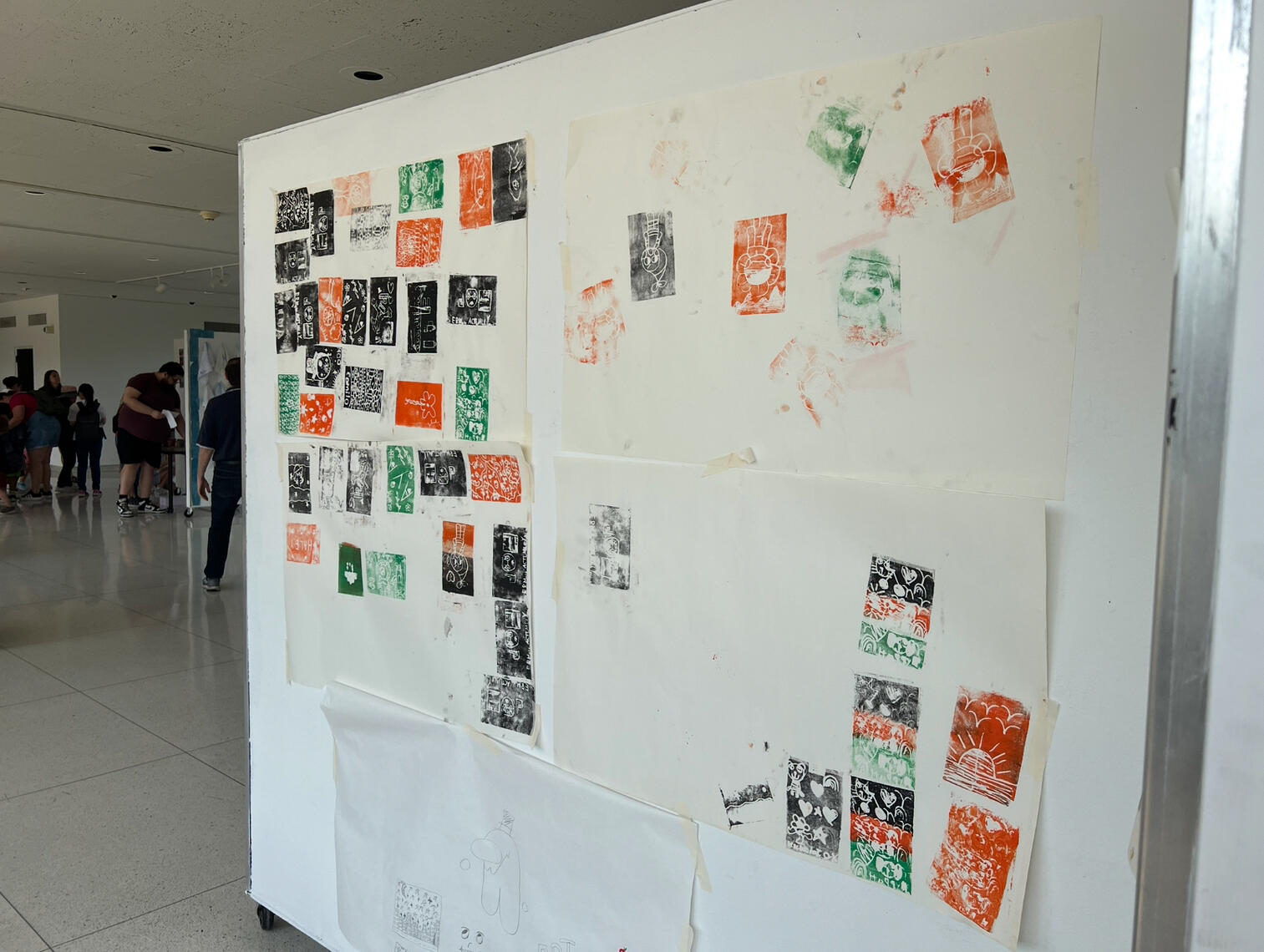
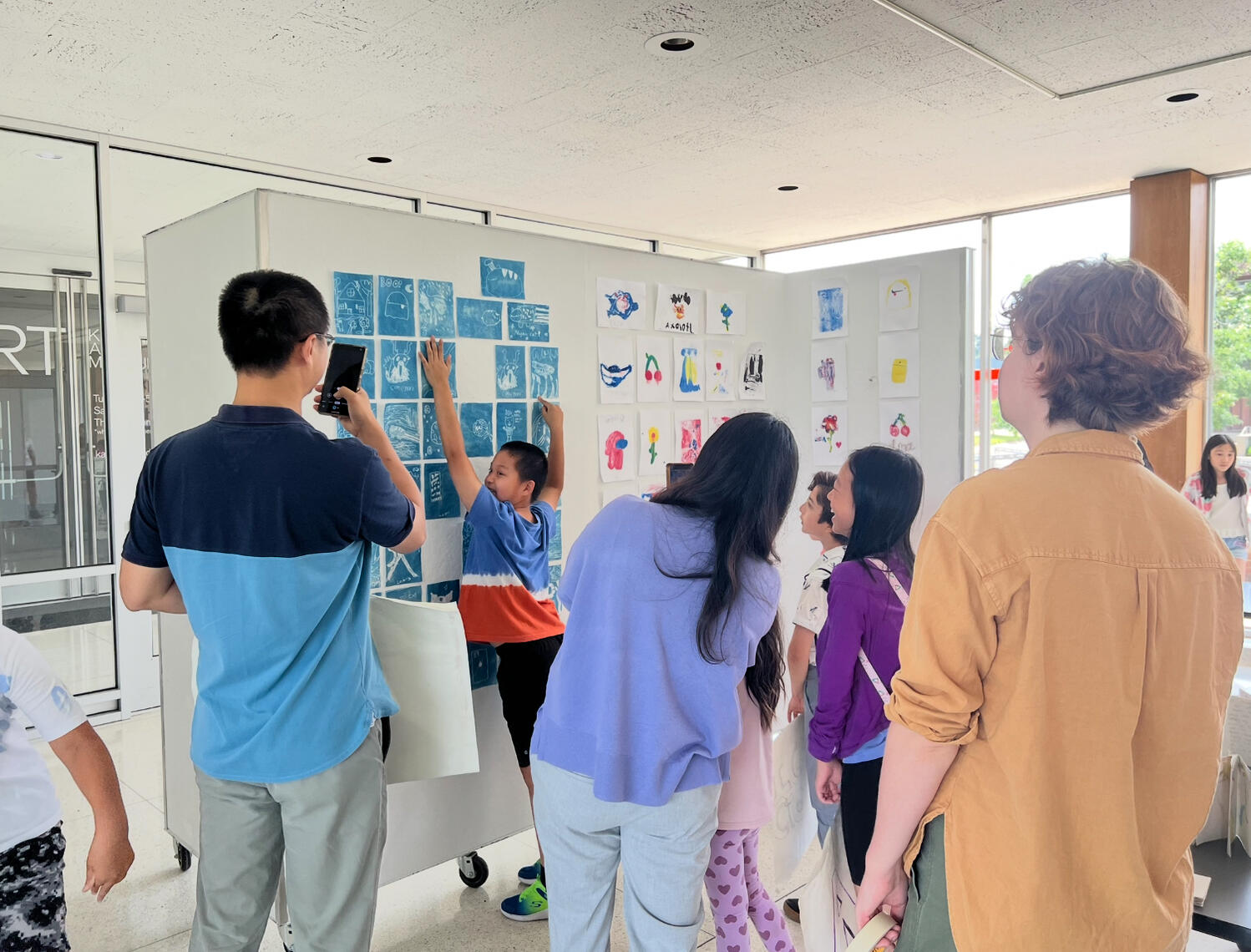
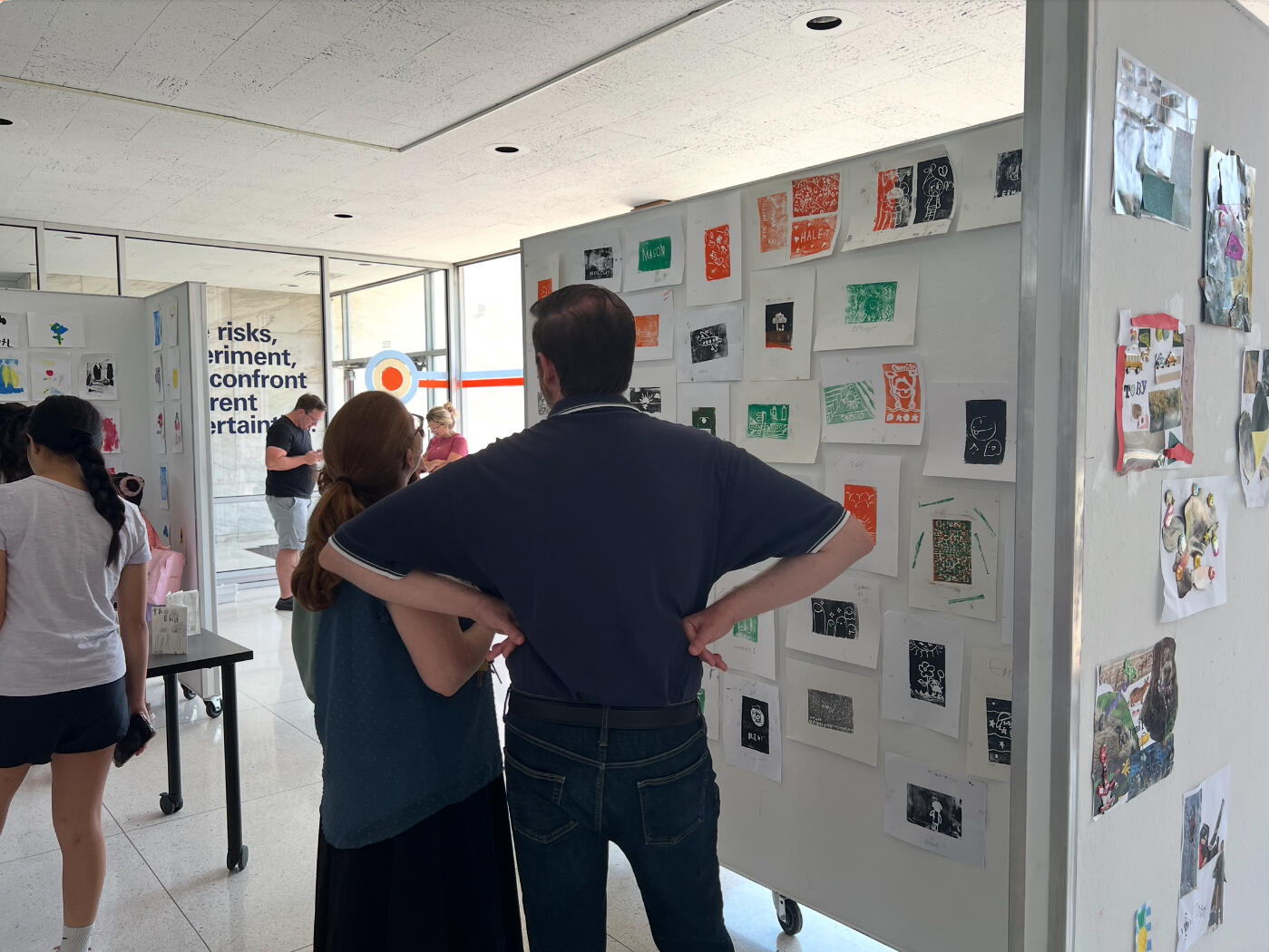
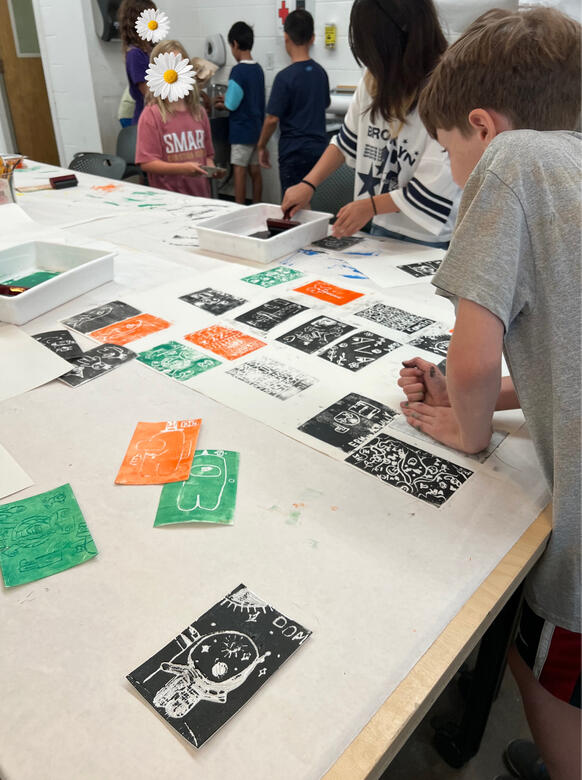
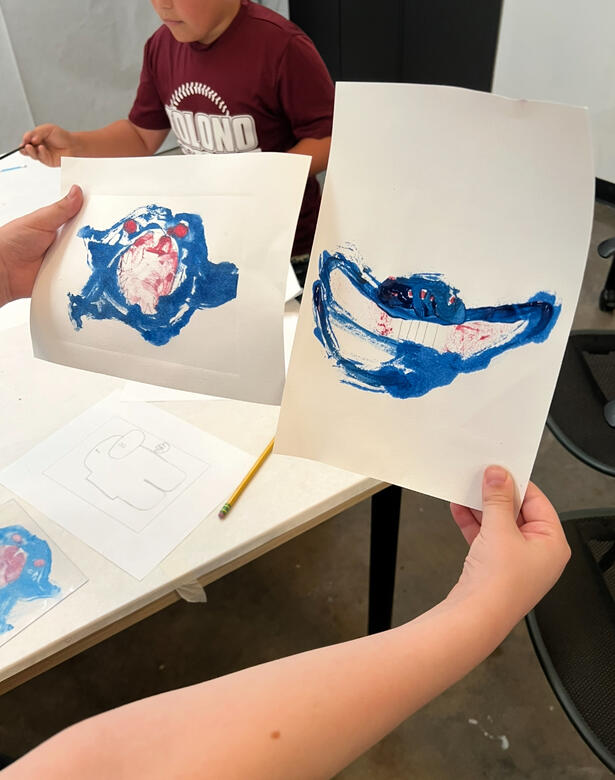
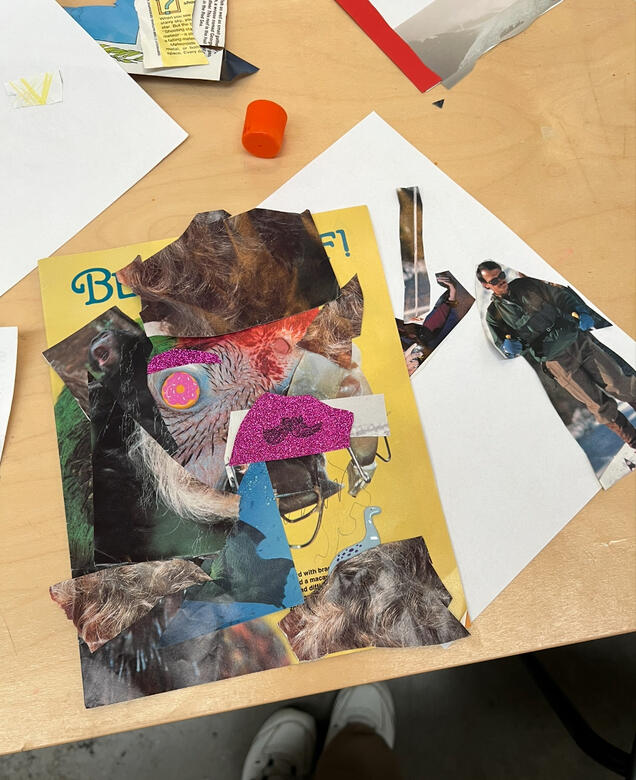
Over the summer, I had the spectacular chance to co-teach a printmaking class with Hannah Beshey. During the course of two weeks, the students learned about monotype printing, cyanotype, risographs, relief printing, as well as zine making. Although there were many mediums presented and a lot of information to cover, the students did amazing in paying attention, following classroom expectations, and using work time wisely in order to print a handful of awesome illustrations. At the end, after making personal portfolios to store their work in, the students had their parents and guardians come for an exhibition.
ARTE 400
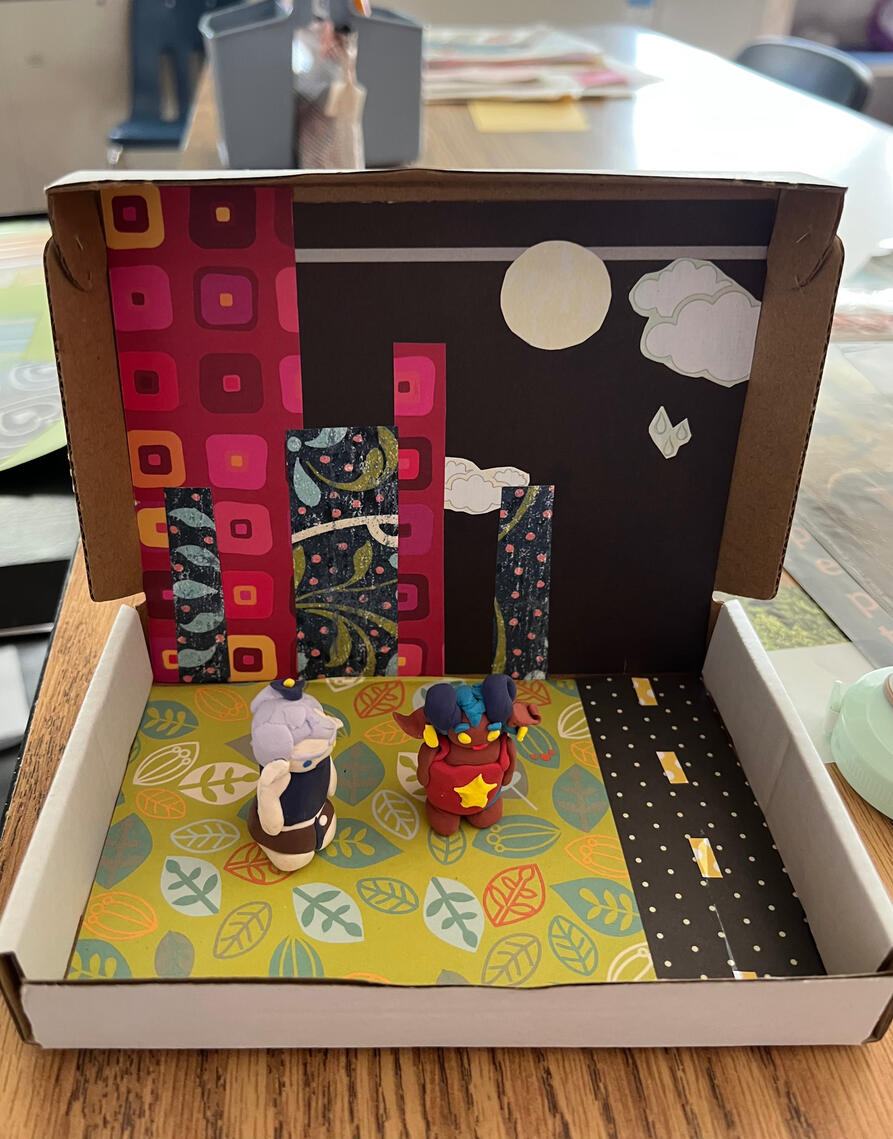
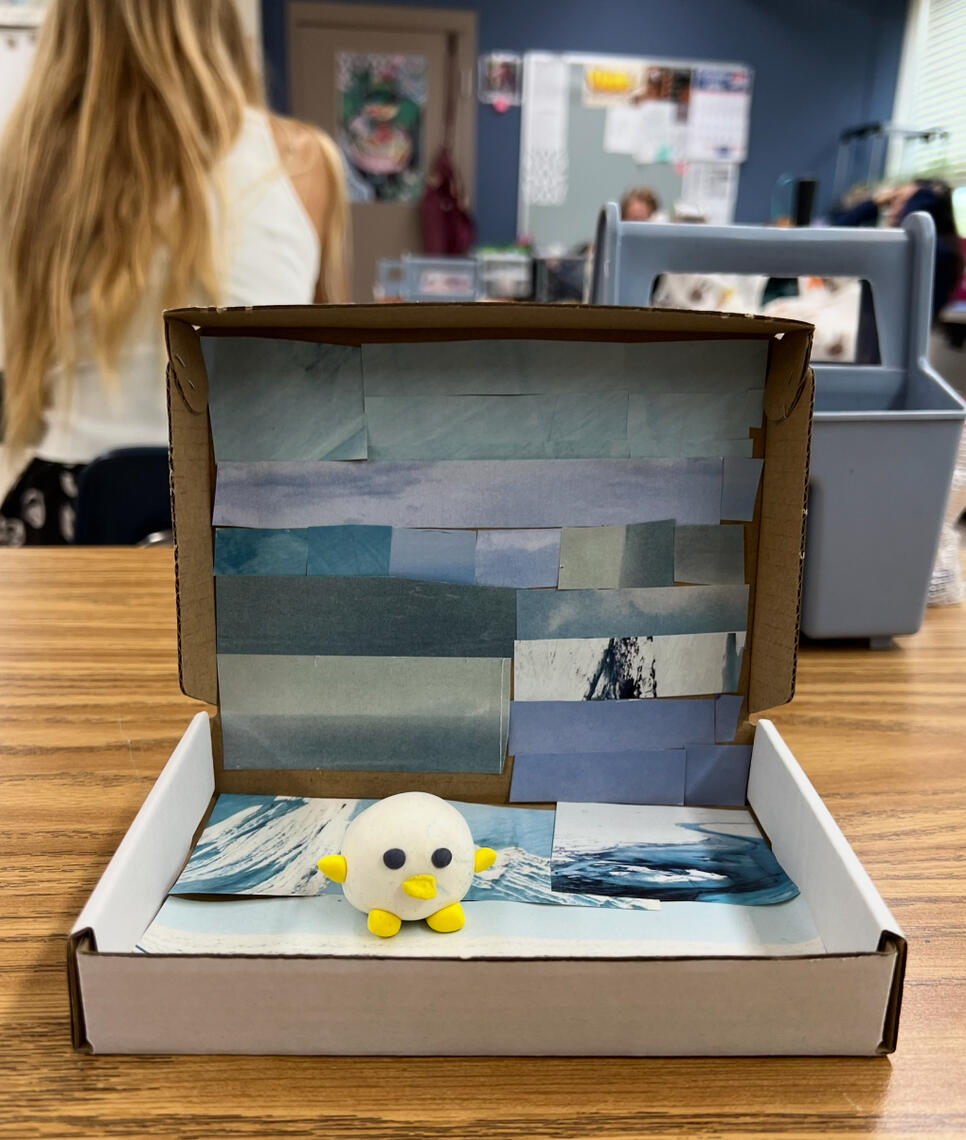
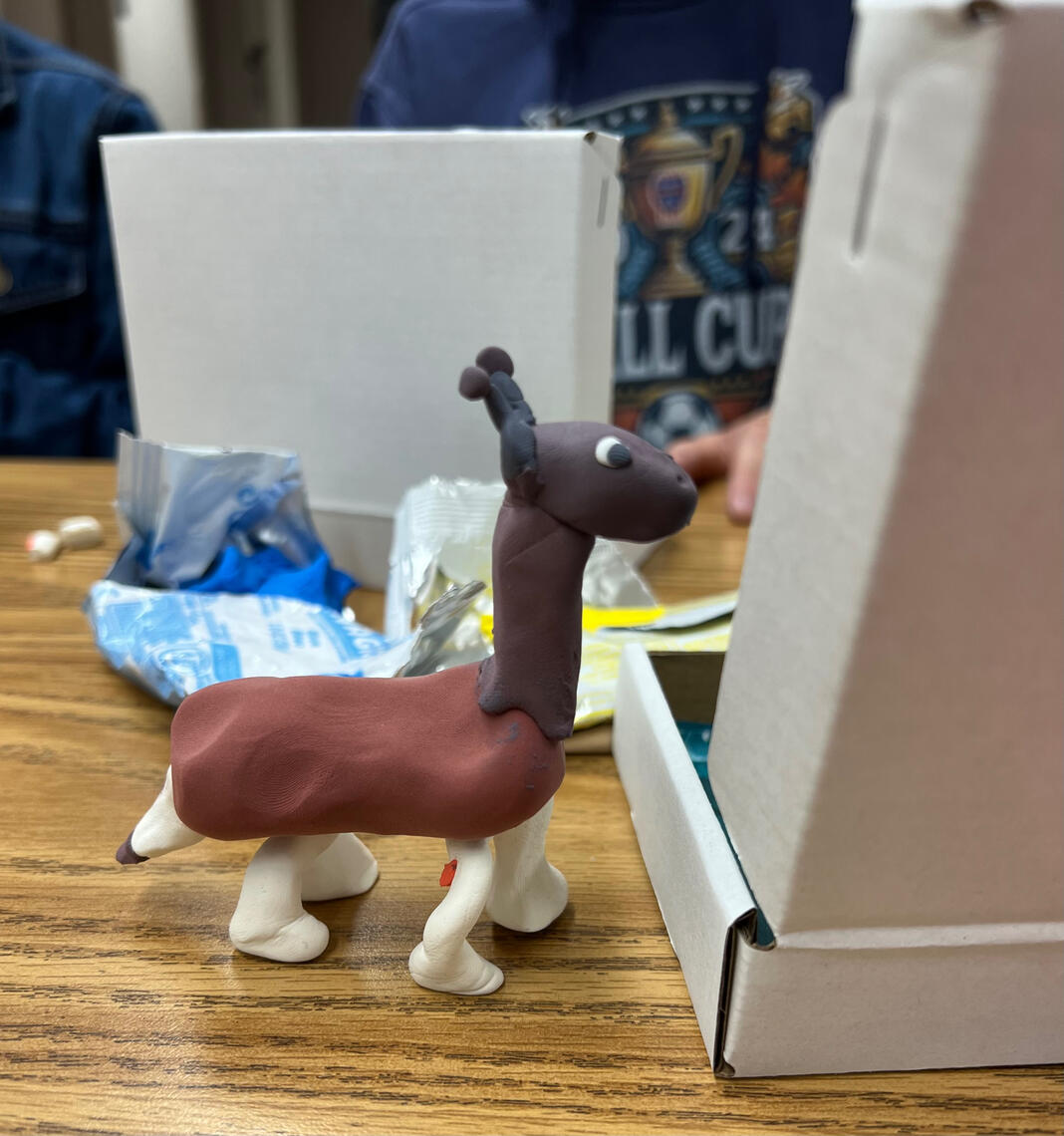
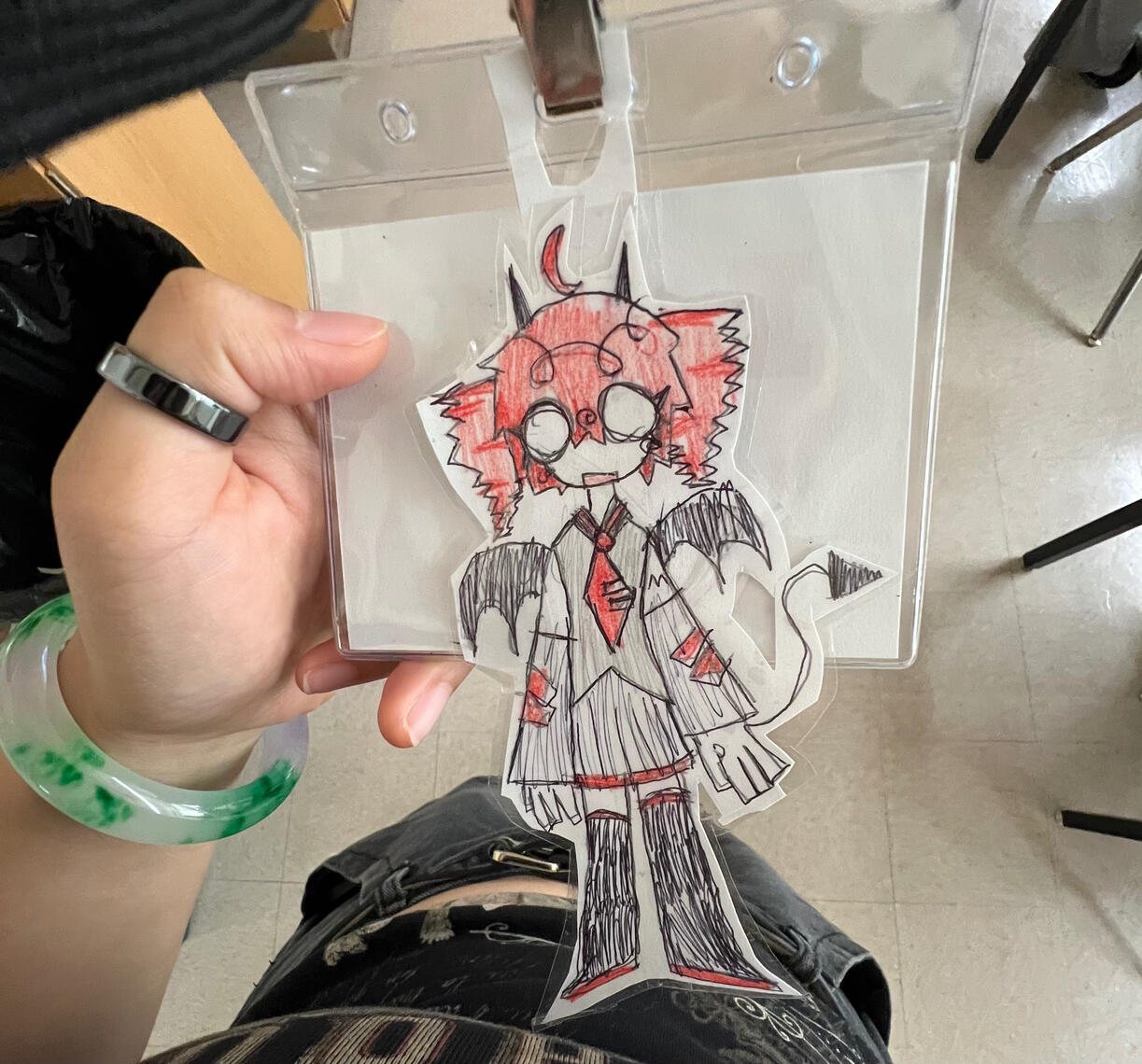
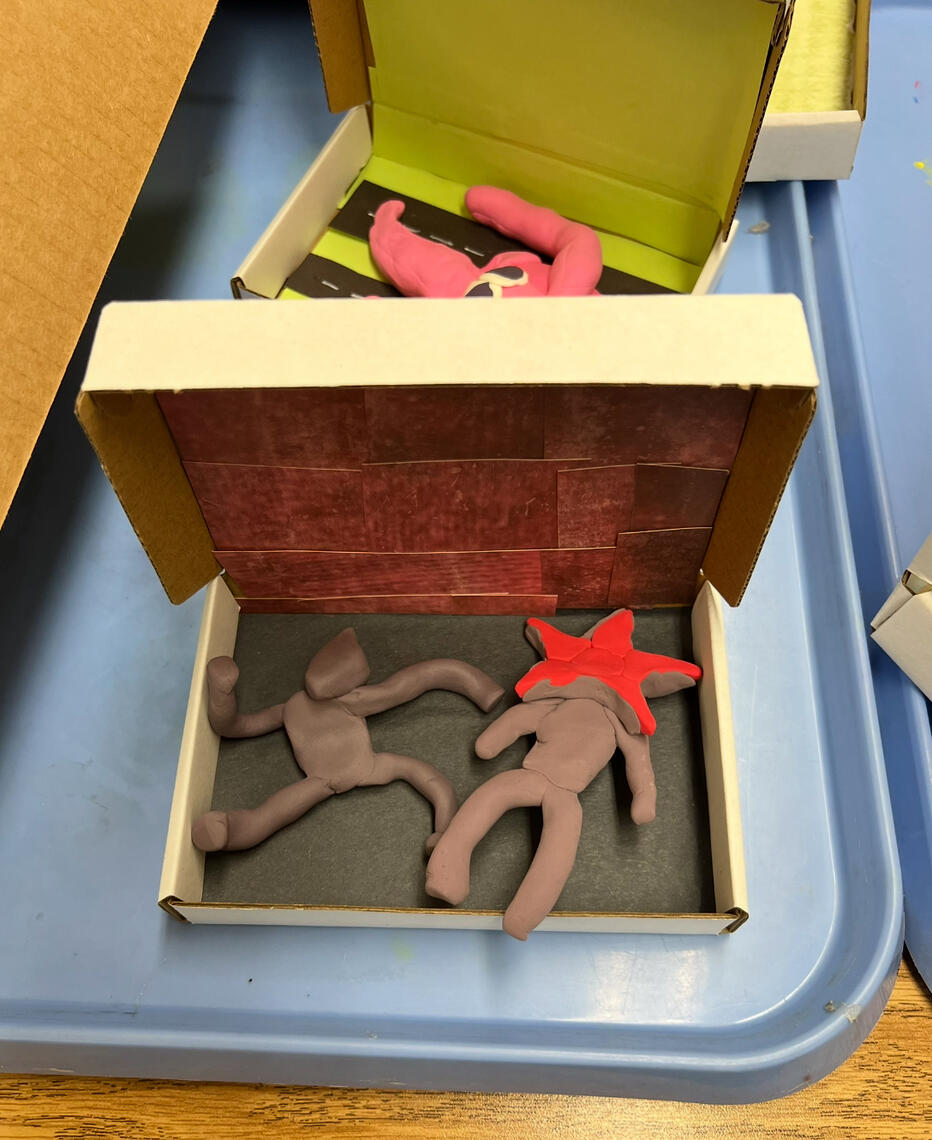
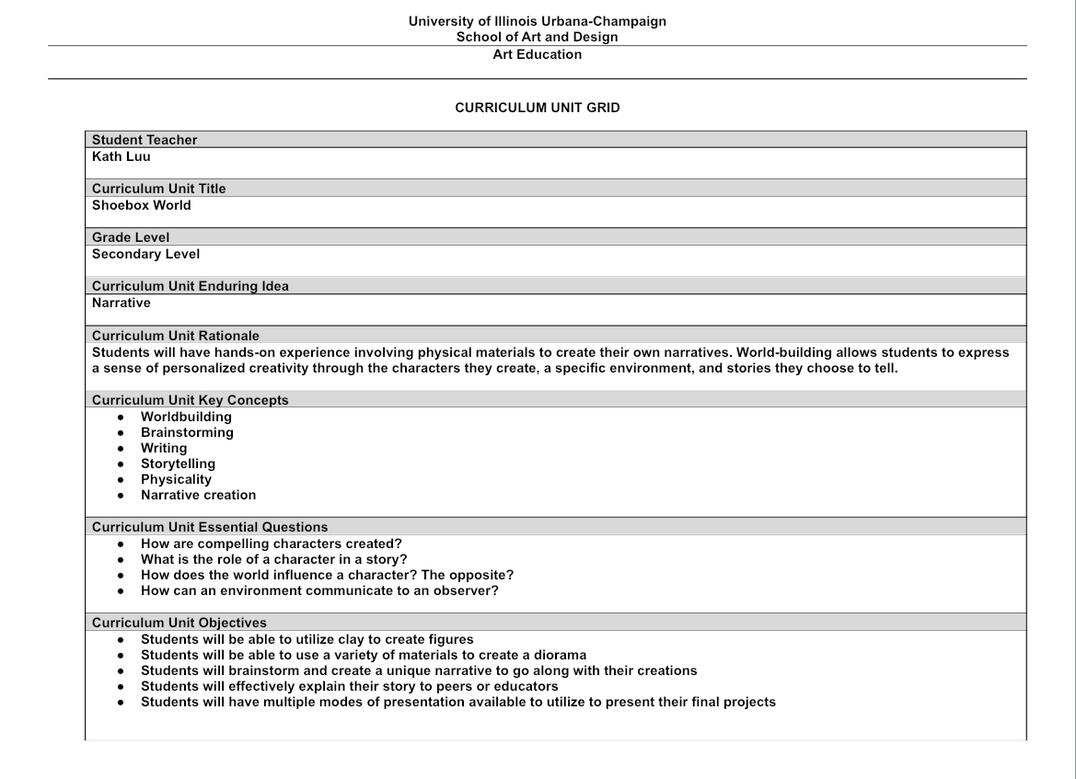
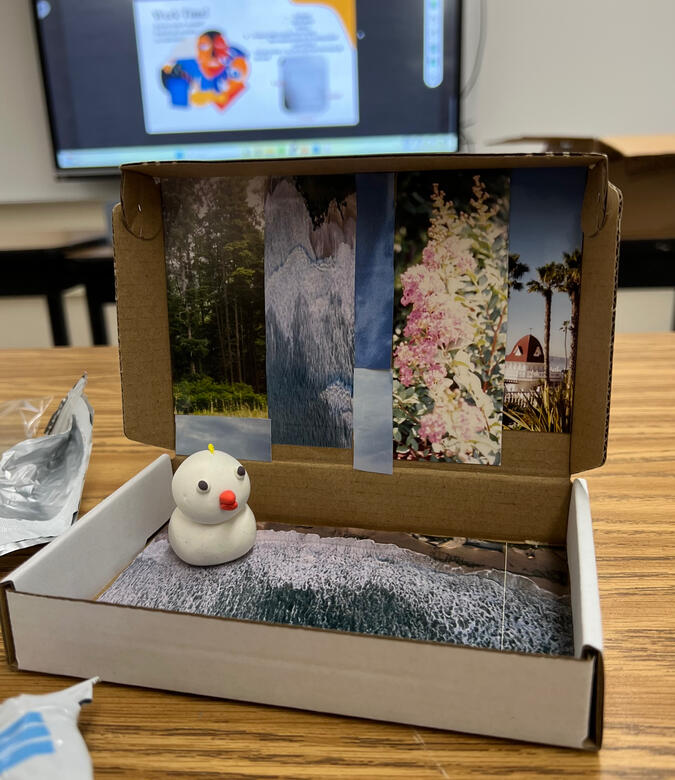
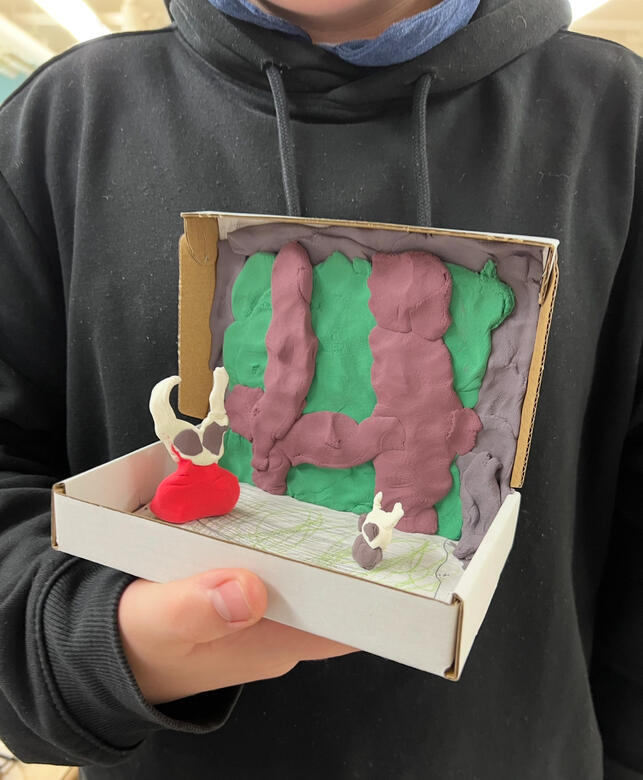
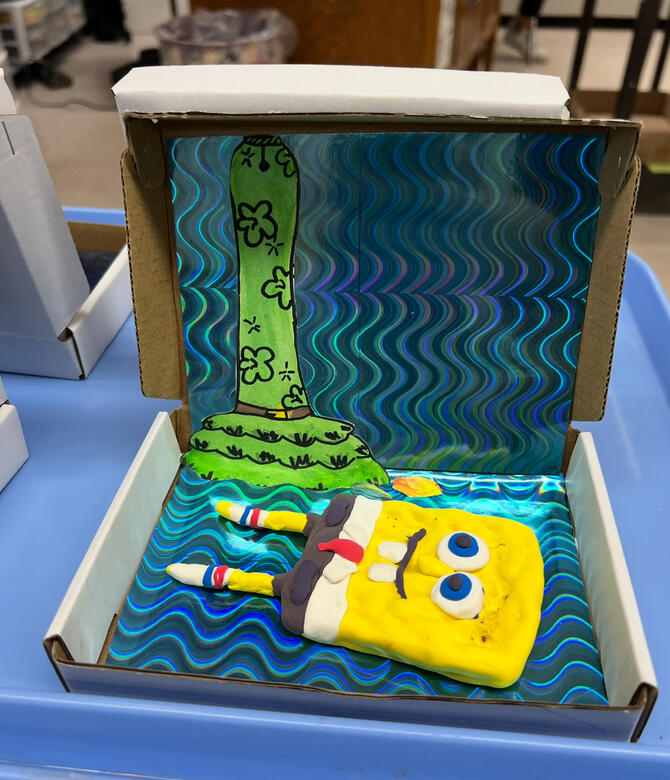
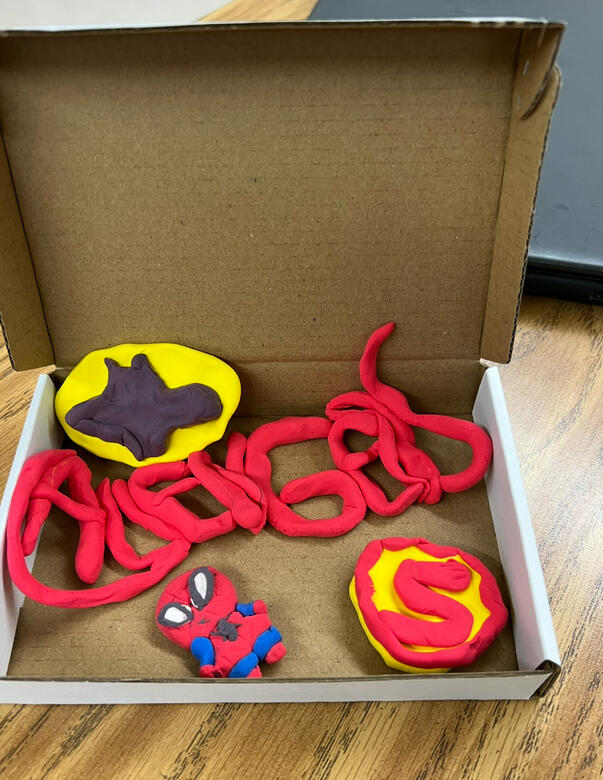
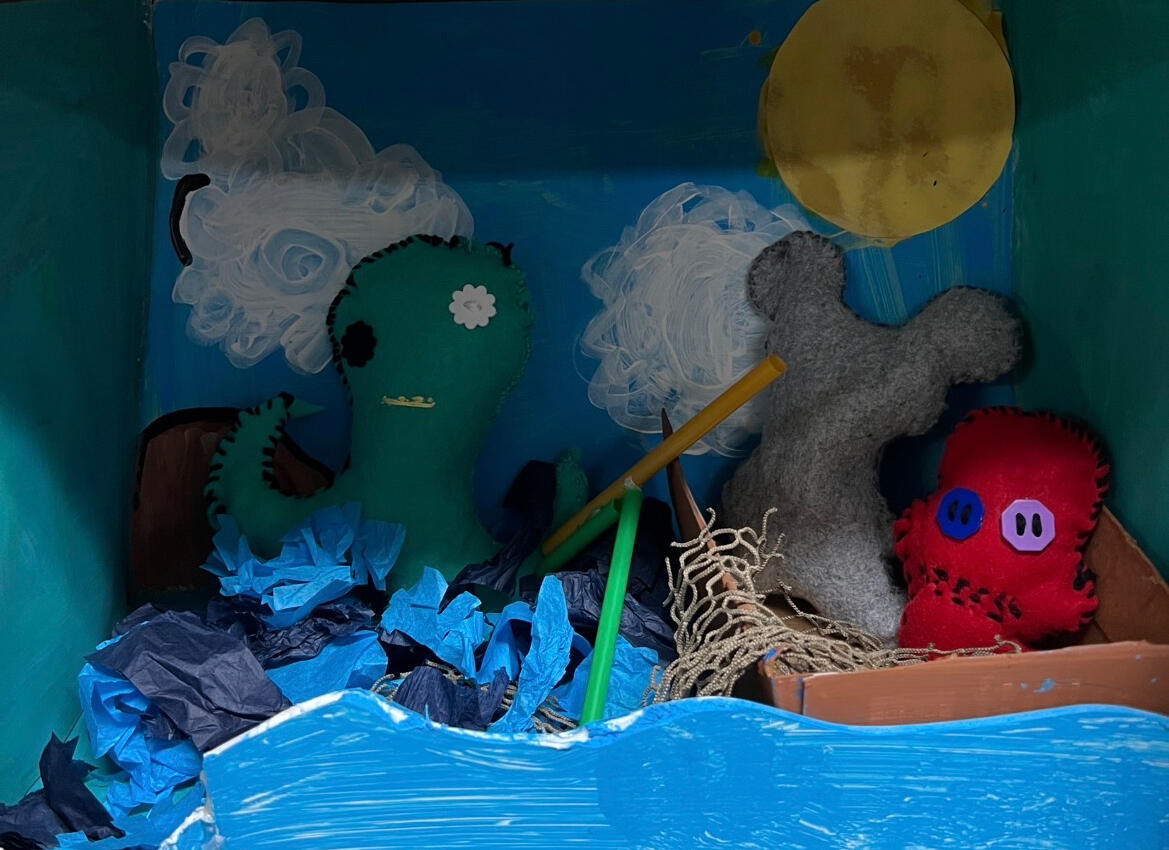
Going into Urbana Middle School, I was extremely nervous. I had initial thoughts of outright refusing to teach middle school as a career on principle because I have a lot of memories attached to that time of my life. It helped that I really liked the lesson I was going to teach, even though I had never used the medium myself before. I wish I had been able to teach this lesson over the course of a week—long curriculum instead of 3 days, but I understand that that wasn’t possible and I made do with the days I could. Janice also said that she would work on the projects more with the students so I am happy to know more of them are able to finish it. I think something that would have been greatly impacted and changed the course of the project is if students had had the time to create characters they wanted themselves instead of choosing pre-existing characters off Pinterest. The project still turned out awesome for a lot of students, those who chose Stranger Things or Coraline or Spider-man, but I had wanted them to be part of the design process too. Something I noticed that I thought was endearing was that when students were working on the scenery of their diorama, a lot of them chose to layer collage paper in a similar way to how I did, even though they could have used one or two papers for it. I loved this physical visual of effort they put into their projects to make it look nice and more interesting for the eyes.
Student teaching
My student teaching experience was facilitated by thoughtful, helpful, and wonderful cooperating teachers. Through them I learned how to direct students in group settings, plan out my curriculum over the span of multiple weeks, warmly conduct discipline, and numerous other actions that I could only learn through being in the classroom. I will stay forever grateful to them for training me in this career.
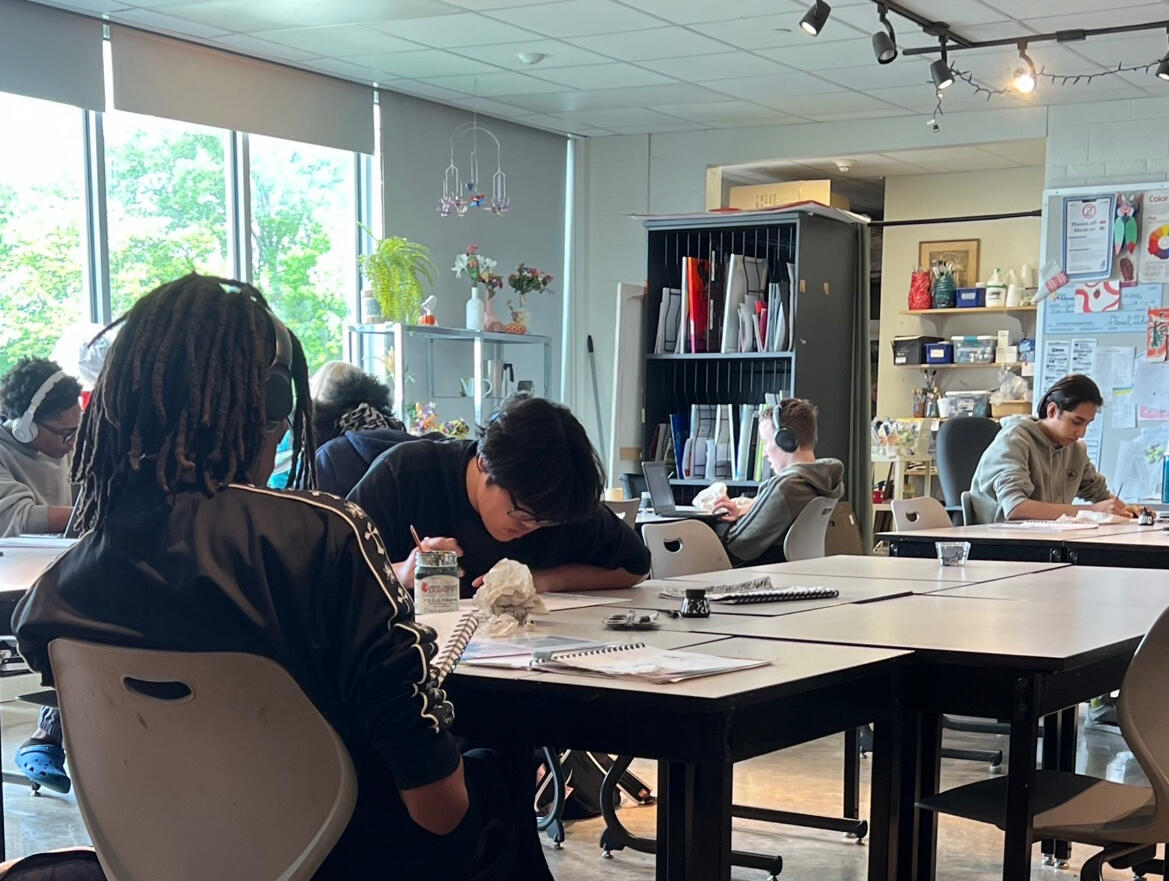
My first student teaching placement was at Urbana Middle School. I had brief experience teaching here and observing already— here I taught 8th Grade General, 7th Grade General, Community Art, and 7th Grade Sculpture.
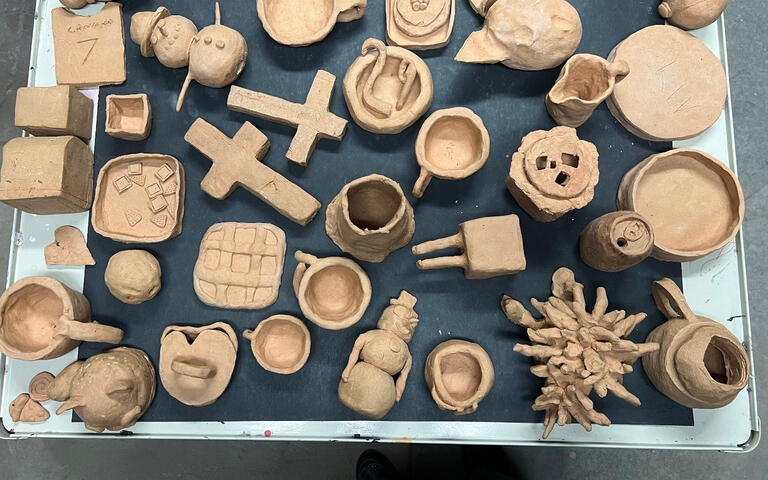
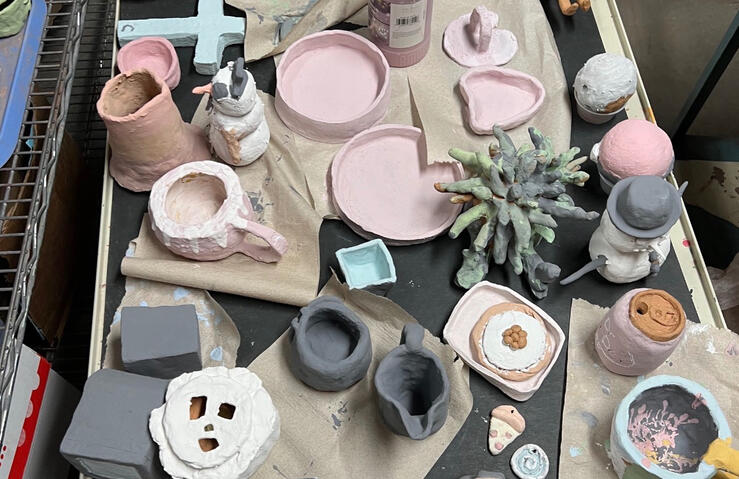
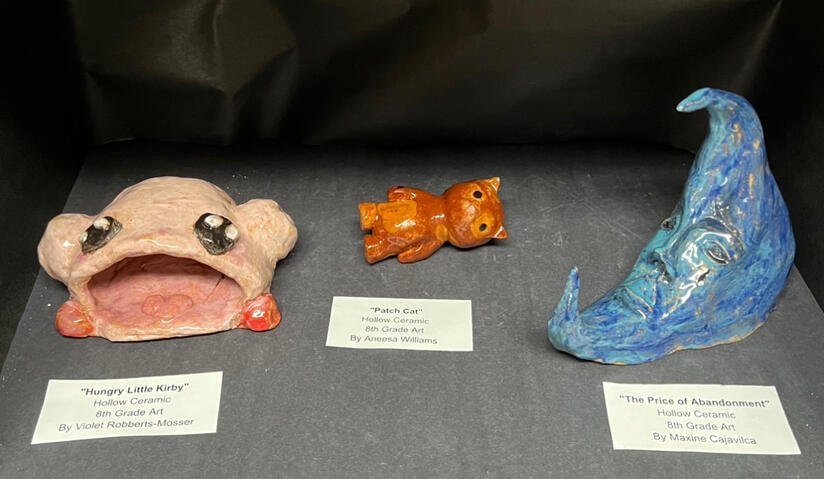
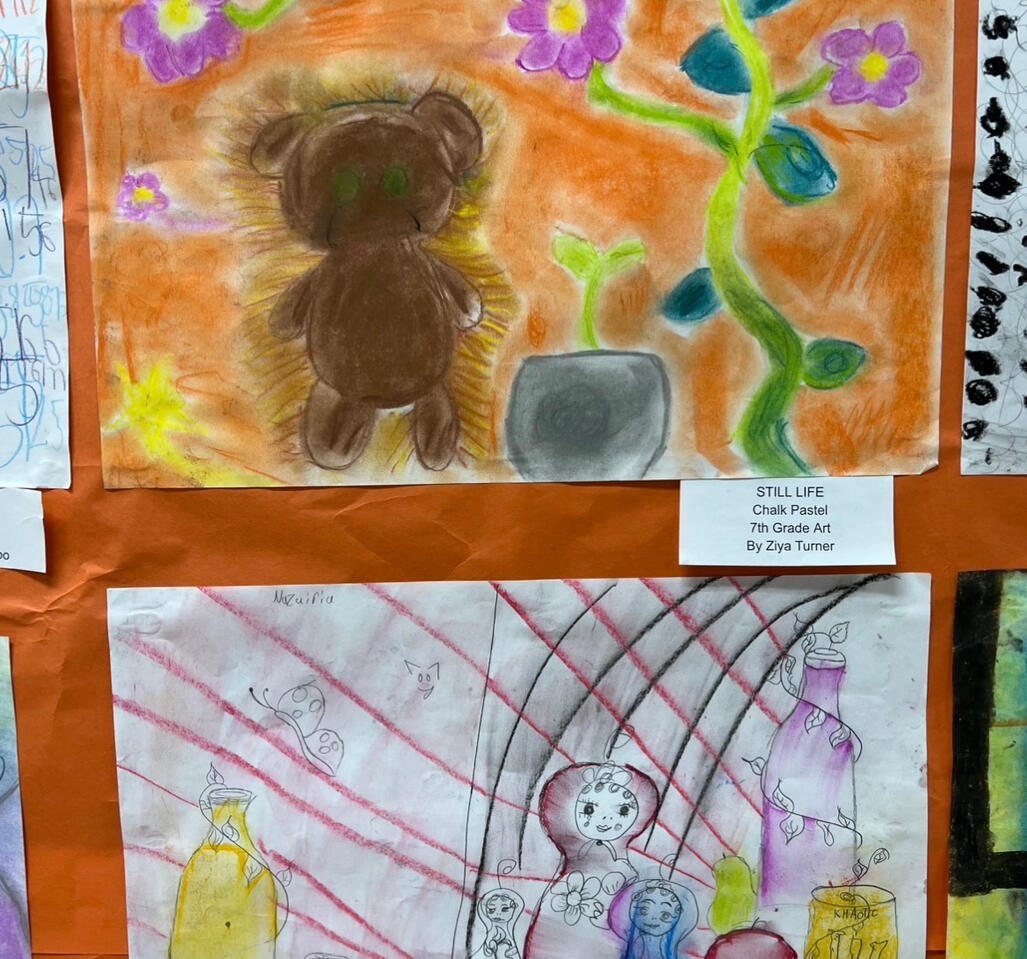
My 7th and 8th graders spent weeks and weeks working on earthenware ceramics. They started from the bottom— with wedging, and came all the way to hollow sculptures. Some students even went above and beyond and slab built working containers. At their art show, the colorful pieces were displayed in lockers.
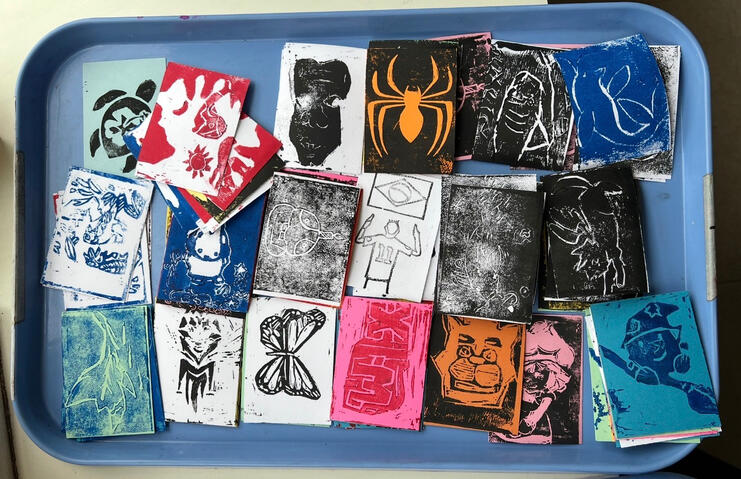
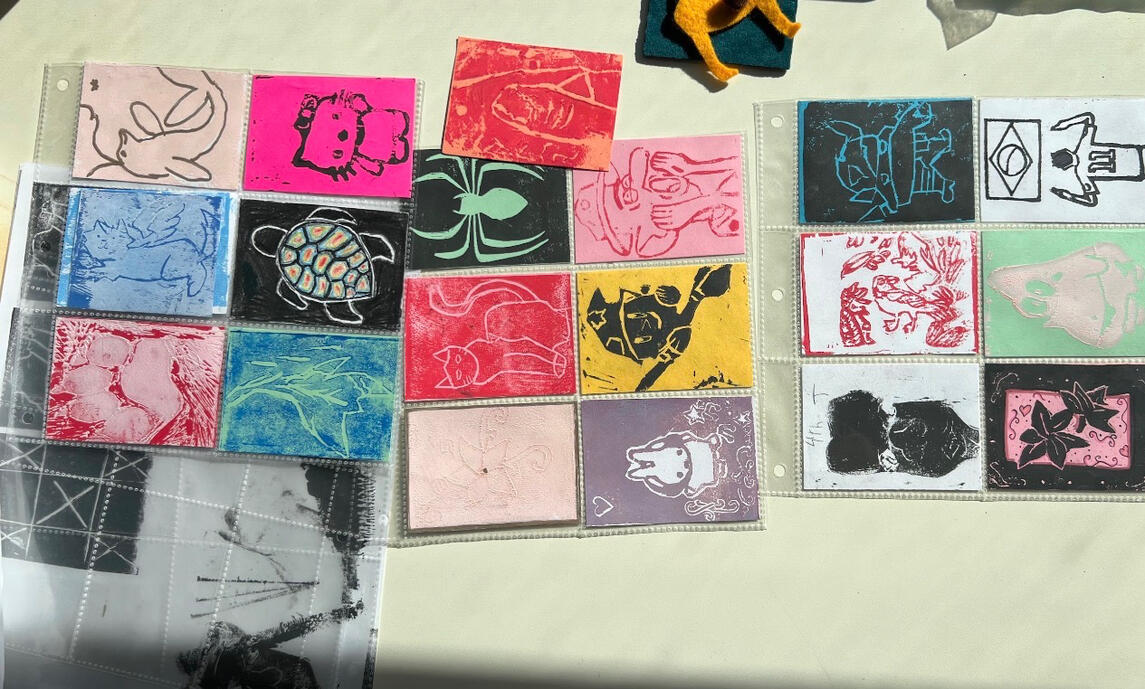
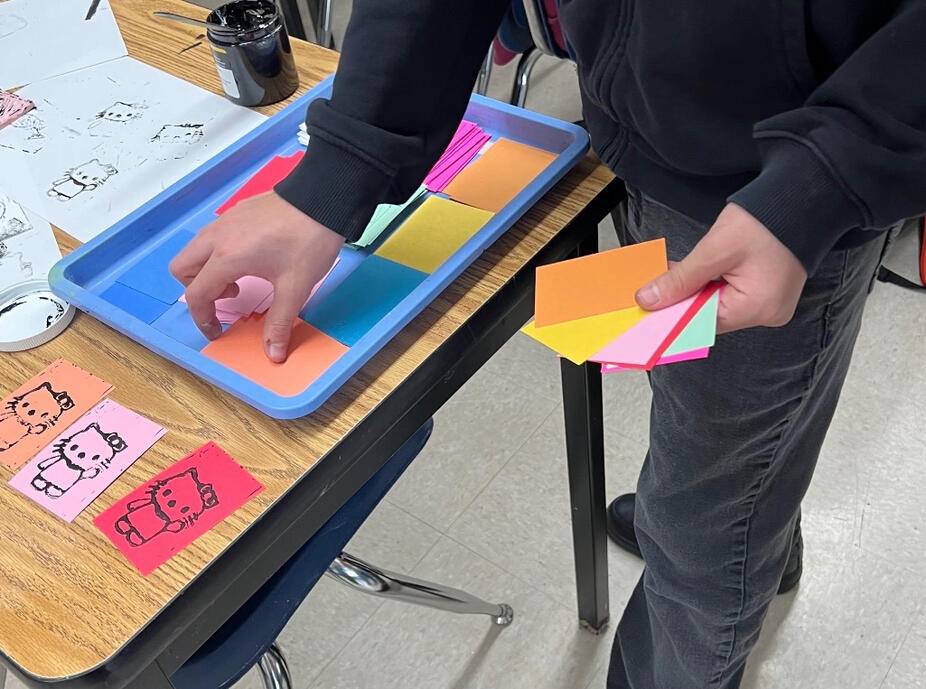
My favorite project that the students and I worked on was Artist Trading Cards. They pulled inspiration from Vanci Stirnemann and created linocut prints with colored ink. For many it was their first time dabbling with a printmaking medium. At the end, there was a trading event where students recieved each other’s cards.
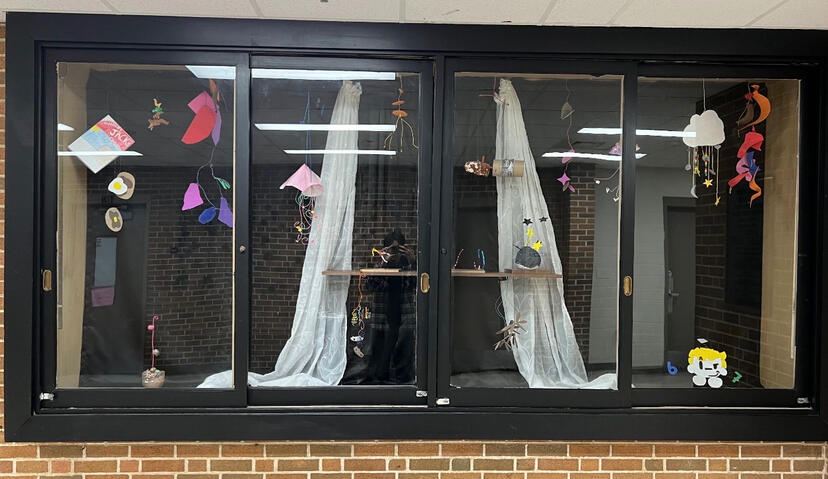
Students in sculpture had the opportunity to create mobiles and stabiles based off of Albert Calder’s work. They were even able to put them up in a display case!
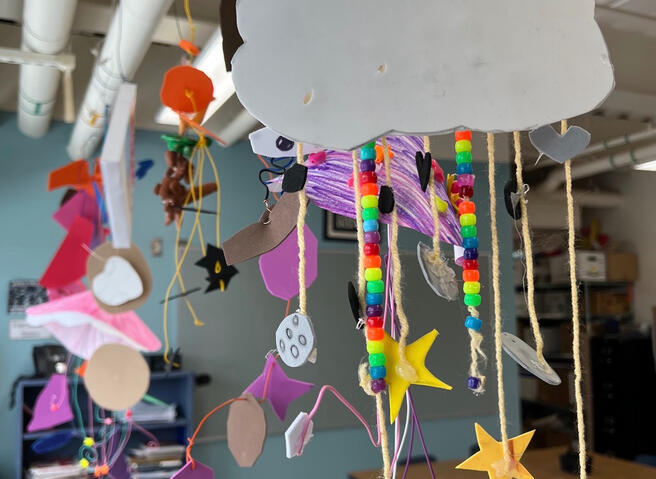
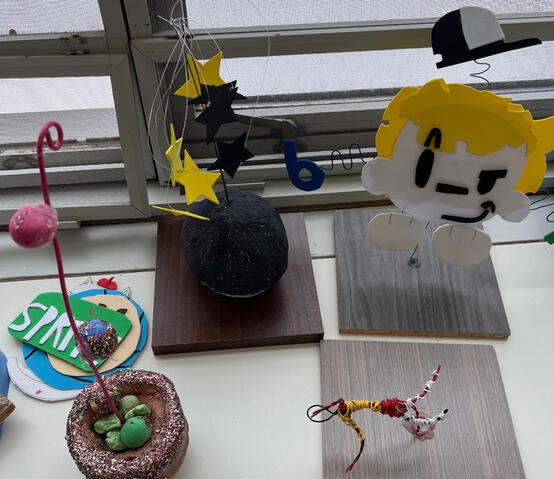
Urbana Middle School’s art show was in tandem with their jazz band’s recital. All their ceramic work and ugly doll dioramas were displayed in lockers, zines were laid out on a table for visitors to flip through, and activist art and graffiti was on the walls. I was so happy to be reunited with students I had not seen in a while and that I got to see the awesome work they did while I was gone.
My second student teaching placement was at Centennial High School. Centennial’s facilities are beautiful and they really value the arts program at the school. Here I contributed to setting up the spring art show and taught Drawing, Art Foundations, and Painting.
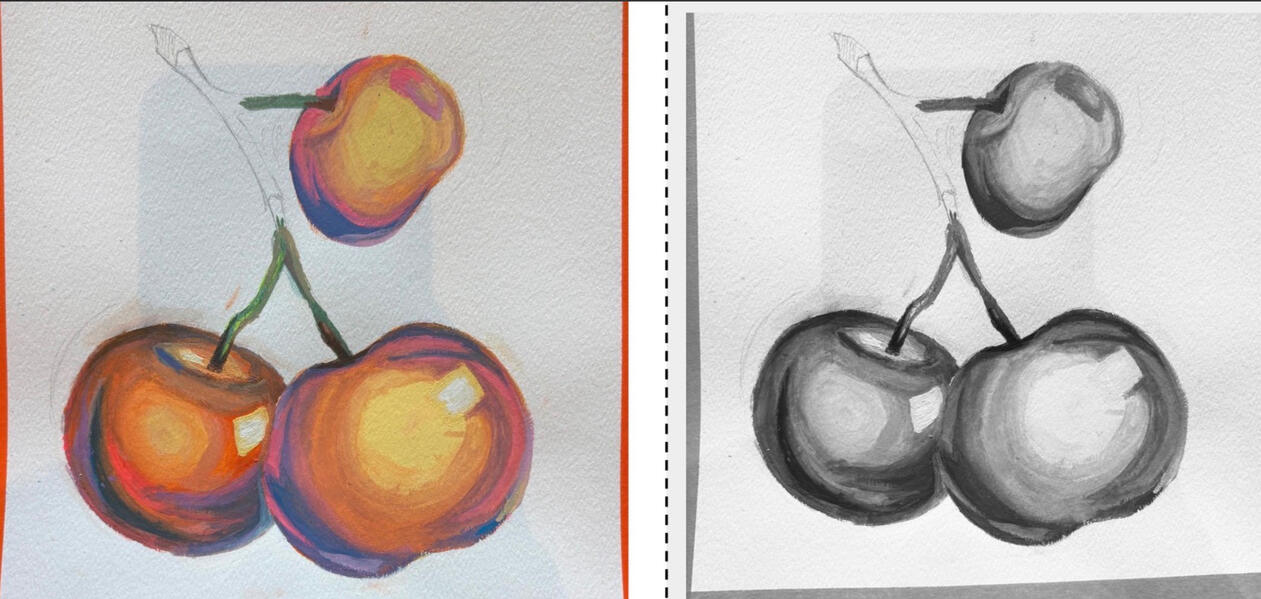
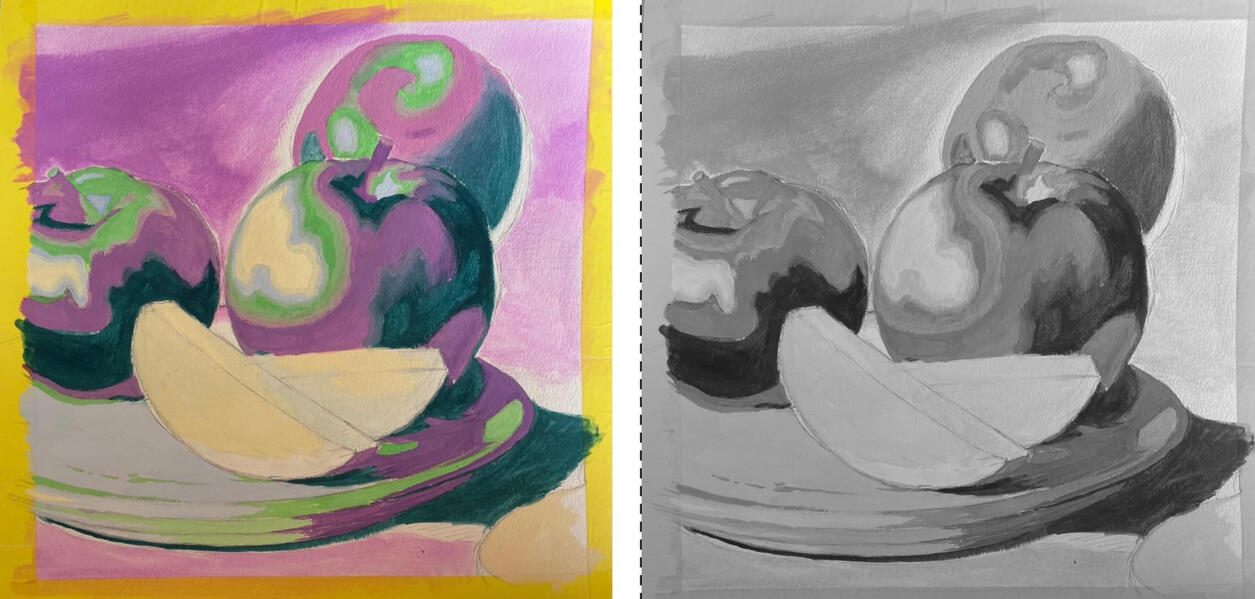
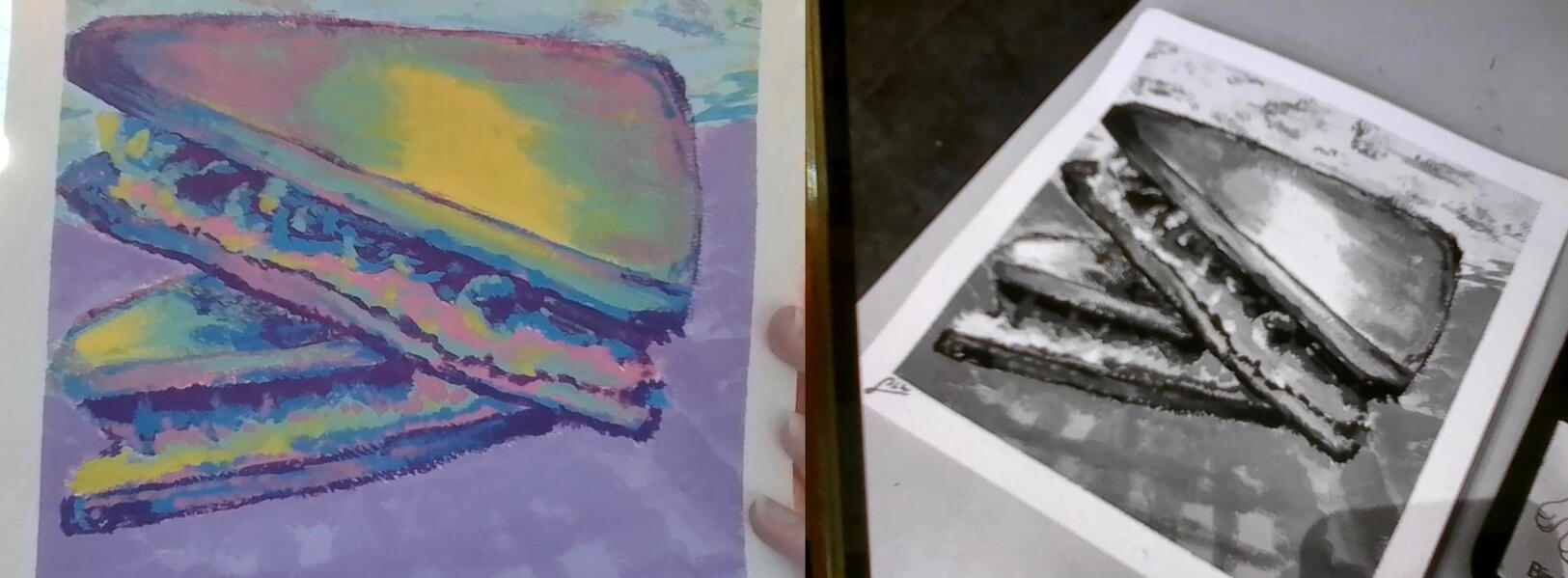
In our painting classes, our most recent project involved learning to use expressive color. The students chose a fruit or favorite food to block out and paint with saturated, exaggerated gouache. They spent lots of time perfecting creating a value scale with colors other than black and white. Here are some examples of student work.
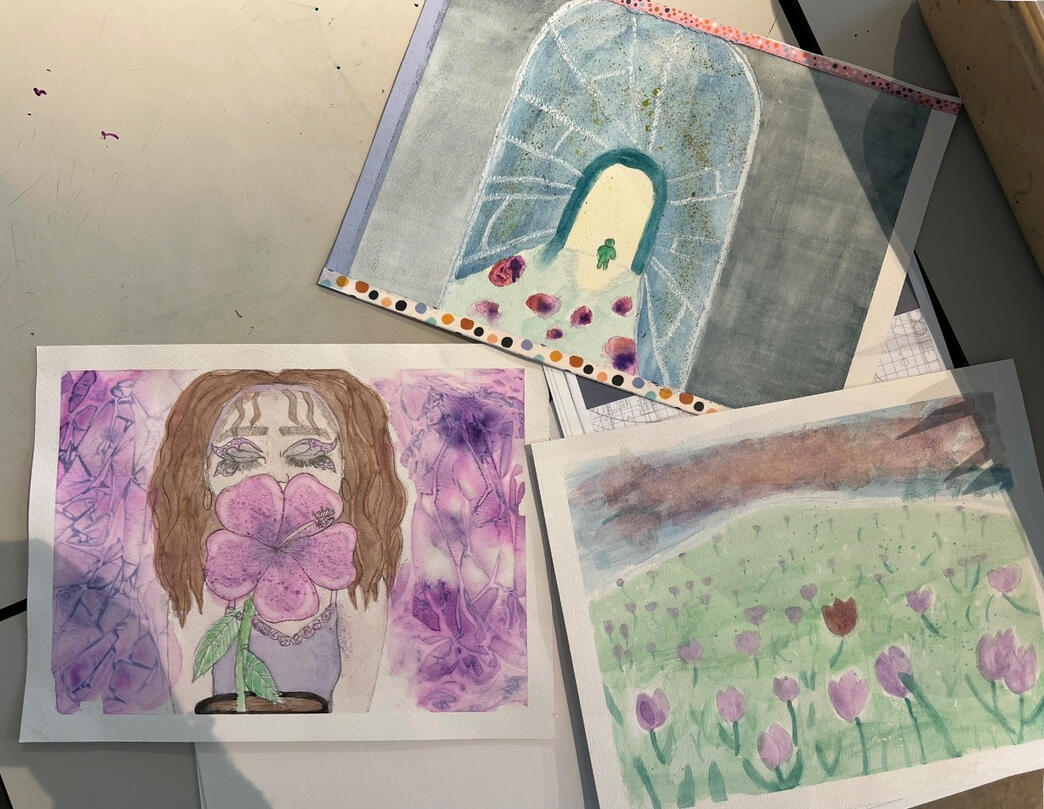
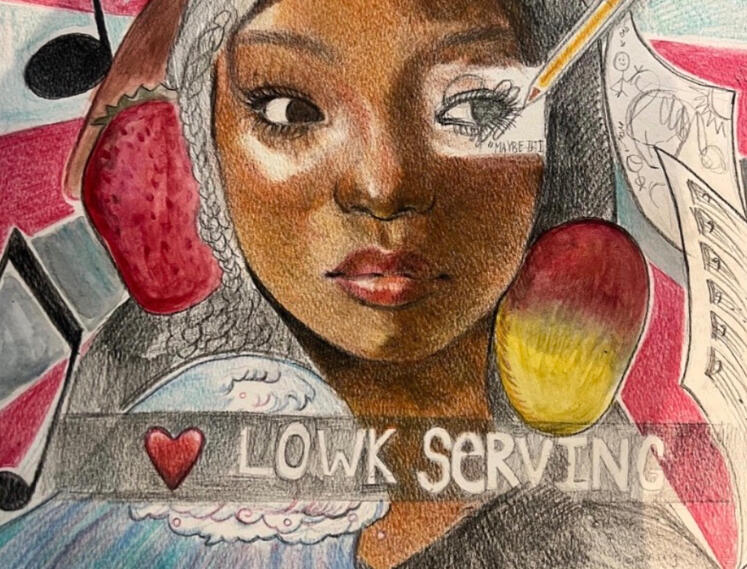
In their drawing class, students had the chance to work on projects such as a mixed-media self portrait.
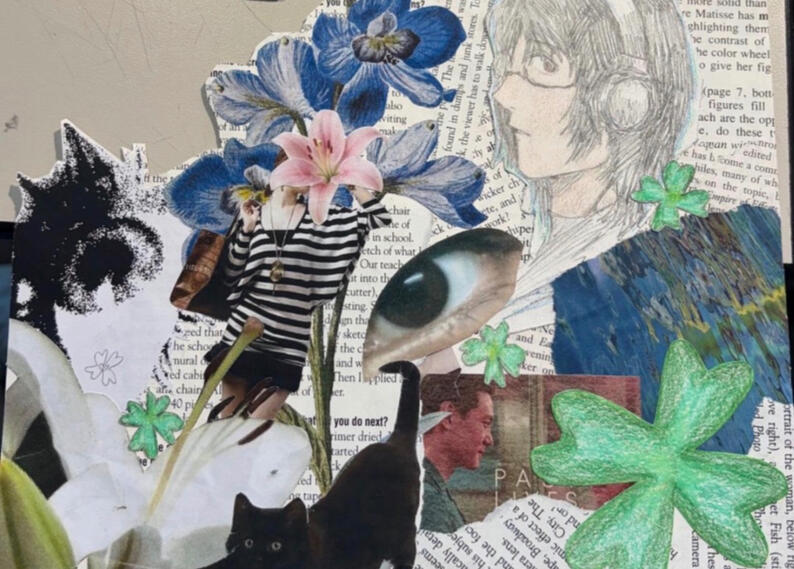
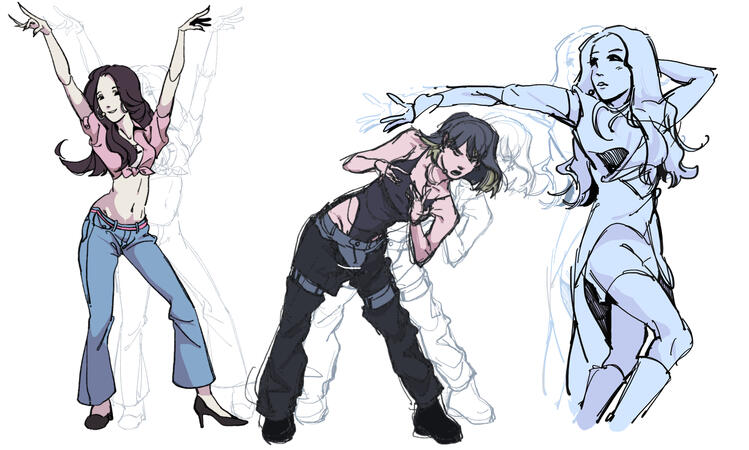
Along with a work expressing emotion through gesture.
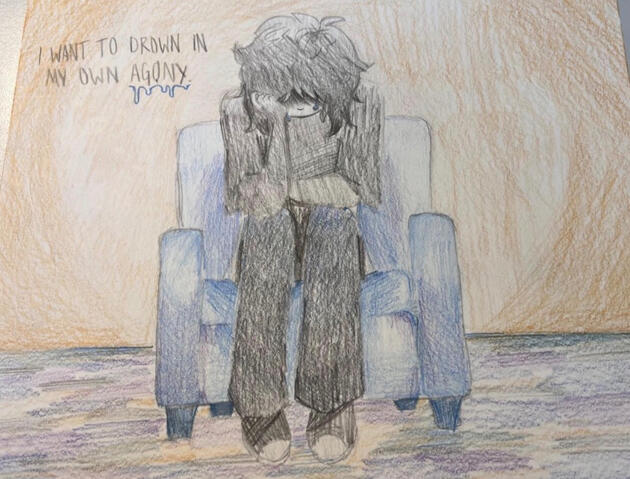
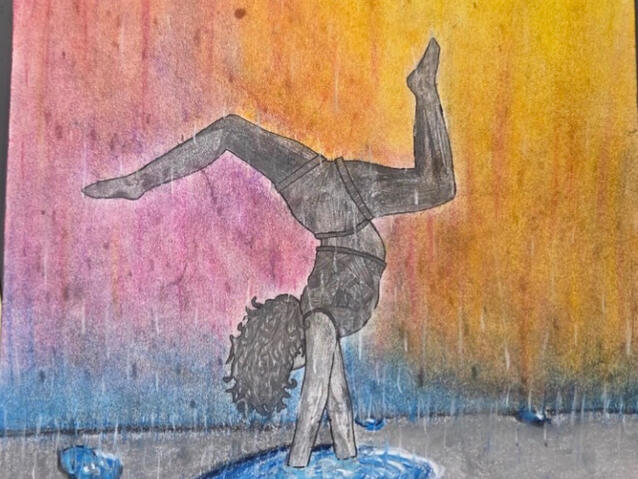
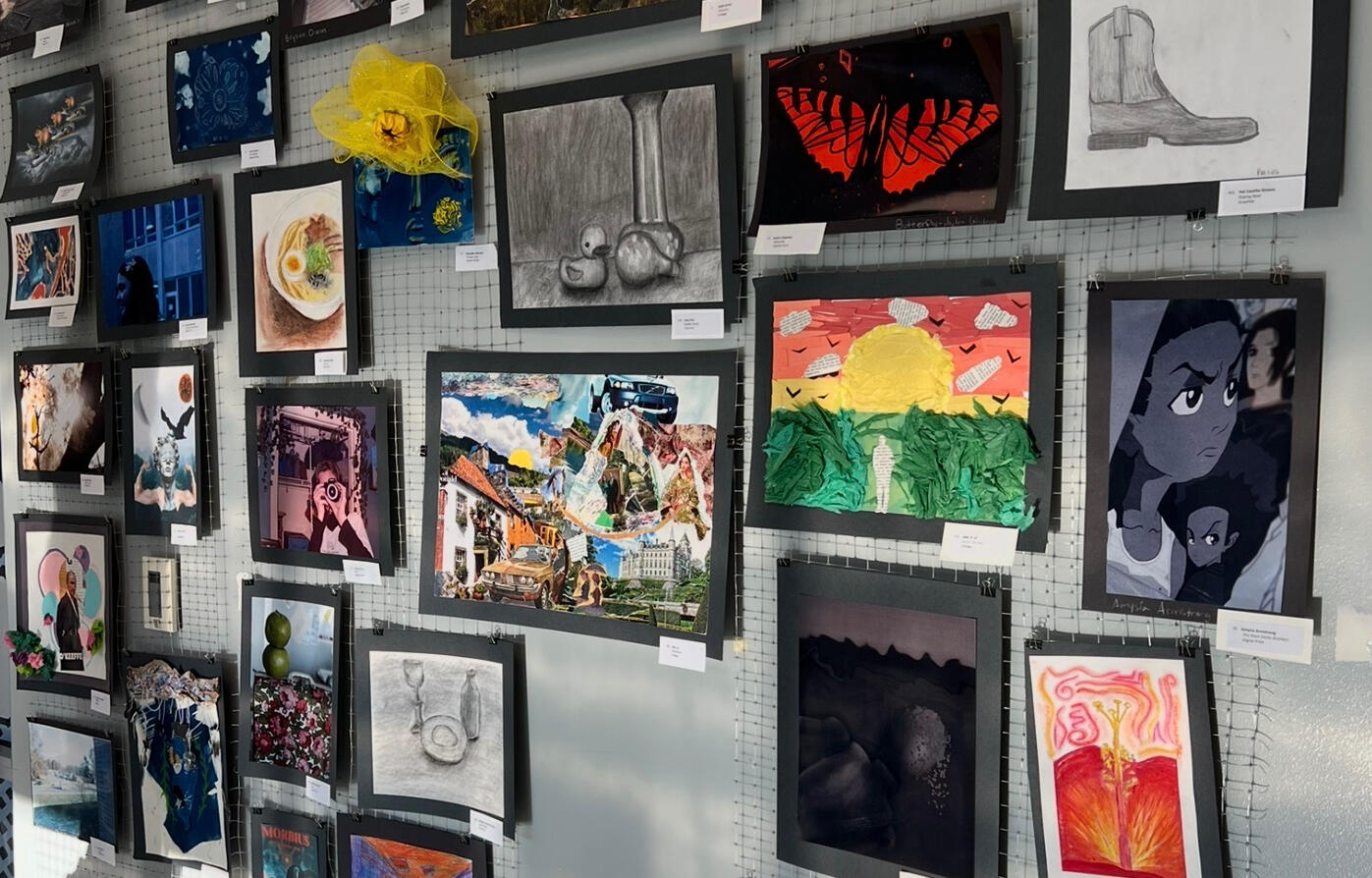
The annual art show happened halfway through my placement. It was inspiring to see so many hands and minds come together for the setup. Everyone involved was bustling around for the weeks coming up to it with labels, matting, and general organization. Opening night was high-energy and the community outreach that happened because of the event reached hundreds in town.
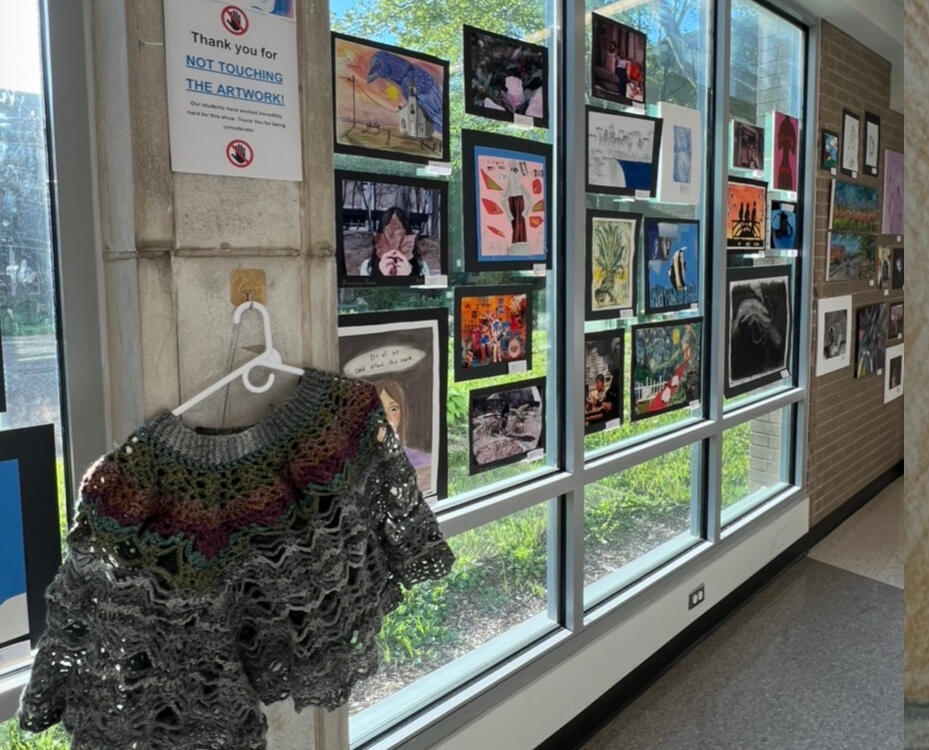
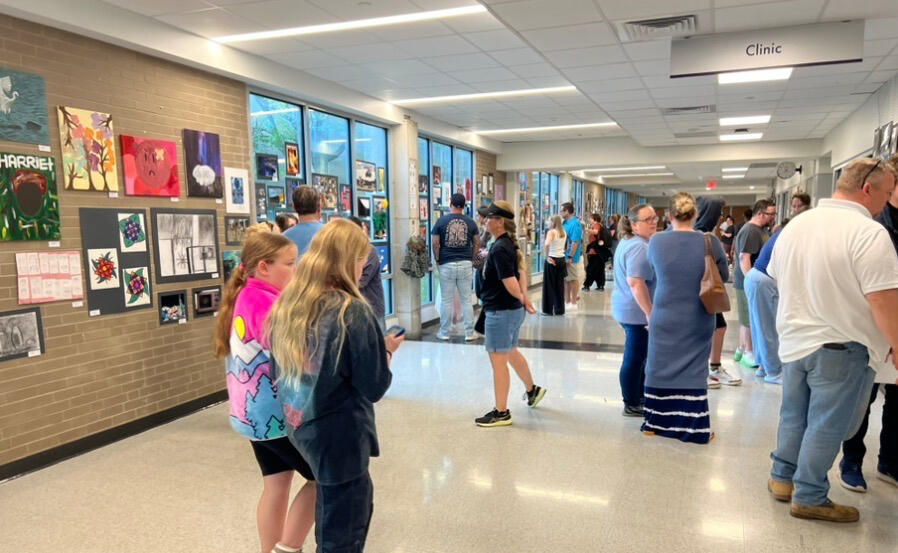
Centennial’s art students are exceptional, and its teachers try their hardest to make students’ artistic visions come true. Whether this be helping out the AP kids with massive projects, or doing special days where they can raku fire their pottery, or letting students take artwork and materials home, the work I have seen done there is exceptional and really reflects a positive creative environment.